
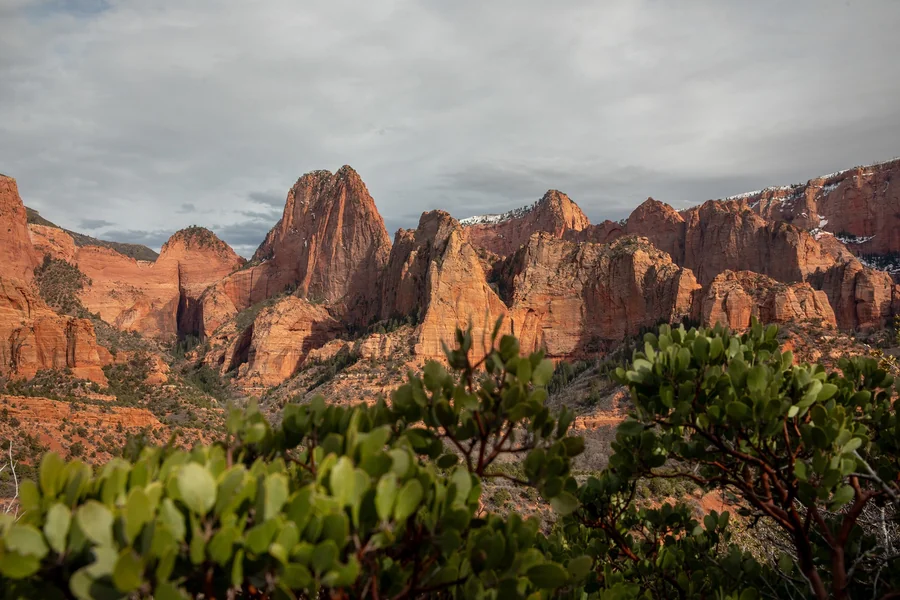
Zion National Park in Utah is famous for its stunning landscapes, and Kolob Canyons is one of its hidden gems. Located in the northwest corner of the park, Kolob Canyons offers visitors dramatic views of red rock peaks, pristine wilderness, and striking natural formations. With fewer crowds than Zion’s main canyon, Kolob Canyons provides a peaceful setting for photography, hiking, and exploration.
If you’re a photography enthusiast or simply someone who loves to experience nature at its finest, Kolob Canyons photos capture the beauty of this serene, less-traveled section of Zion. From panoramic views along the Kolob Canyons Road to up-close shots of waterfalls and towering arches, the opportunities for stunning images are endless.
1. Scenic Drive and Panoramic Views
One of the best ways to enjoy Kolob Canyons photos is from the 5-mile scenic drive, Kolob Canyons Road. This drive offers easy access to the area’s main attractions and features multiple pullouts with sweeping views, making it a photographer’s paradise.
Why It’s Great for Photos:
- Dramatic Lighting: The late afternoon sun casts a warm glow on the red rock formations, making the landscape perfect for capturing dramatic photos.
- Panoramic Views: From various pullouts, you can capture the full grandeur of the canyons, offering wide shots of towering cliffs and deep valleys.
- Color Contrast: The striking red and orange hues of the rock formations against the green desert vegetation create a beautiful color contrast in your photos.
Pro Tip: If you’re aiming for the perfect shot, plan to visit in the late afternoon for the best light and shadow play across the landscape.
2. Kolob Arch: One of the World’s Largest Natural Arches
Kolob Arch is one of the highlights of Kolob Canyons and one of the largest natural arches in the world. It’s a must-see for anyone visiting the area and makes for some impressive Kolob Canyons photos.
Hiking to Kolob Arch:
- Kolob Arch Trail: To reach the arch, you’ll need to hike the Kolob Arch Trail via La Verkin Creek, a strenuous 14-mile out-and-back trail. This challenging hike rewards adventurers with spectacular views of the arch and surrounding landscapes.
- Landscape Shots: Along the hike, you’ll have opportunities to capture distant views of the arch framed by towering cliffs and the rugged terrain of the canyon.
Why It’s Great for Photos:
- Natural Grandeur: The sheer size and beauty of Kolob Arch create the perfect focal point for your photographs. The contrast between the massive arch and the surrounding desert landscape makes for awe-inspiring shots.
- Unique Perspective: As you approach the arch, you can experiment with various perspectives to highlight its size and the vastness of the surrounding wilderness.
Pro Tip: The hike to Kolob Arch takes time, so make sure to plan ahead. Bring plenty of water and wear sturdy shoes to tackle the challenging terrain.
3. Beartrap Falls and Taylor Creek Trail
For those looking for more accessible hikes and photo opportunities, Beartrap Falls and the Taylor Creek Trail are excellent options. These hikes offer visitors a chance to capture beautiful waterfalls and lush canyon landscapes.
Beartrap Falls:
- Located along the Taylor Creek Trail, Beartrap Falls is a hidden gem within Kolob Canyons. The waterfall cascades down into a small pool, surrounded by steep canyon walls.
- The short, easy hike to Beartrap Falls is ideal for photography, with opportunities to capture the falls in various settings, from close-up shots to wider landscapes.
Why It’s Great for Photos:
- Water and Rock Contrast: The flowing water against the rugged canyon rocks creates beautiful photo contrasts, especially in the soft morning light.
- Reflections: Depending on the water levels, the falls may create reflections in the pool below, providing unique photo opportunities.
Pro Tip: Early mornings or late afternoons provide the best light for photographing the falls, avoiding the harsh midday sun.
4. Canyoning and Backpacking in Kolob Canyons
If you’re an adventure photographer, Kolob Canyons also offers some thrilling opportunities for canyoning and backpacking. The region is home to deep slot canyons, rappelling spots, and scenic waterfalls. These areas are less frequently visited, providing an opportunity to capture remote wilderness in its raw form.
Popular Activities for Photos:
- Canyoning: Take photos of rappels down slot canyons or shots of water flowing through narrow rock corridors.
- Backpacking: Multi-day hikes like the La Verkin Creek Trail offer sweeping vistas, desert landscapes, and the chance to photograph the wilderness at its most untamed.
Pro Tip: If you plan to capture action shots during canyoning or backpacking, ensure your camera gear is secure and waterproof. Many of these locations can be tough to access, so a solid, protective case for your equipment is a must.
5. The Kolob Canyons Experience: Lesser-Crowded Beauty
Unlike Zion’s main canyon, Kolob Canyons is far less crowded, allowing for a more peaceful, intimate experience. This provides an excellent opportunity to capture untouched, pristine landscapes without the interruptions of large tourist crowds.
Why Kolob Canyons is Great for Photography:
- Peaceful Environment: Fewer crowds mean you can enjoy the beauty of the area at your own pace, setting up the perfect shot without distractions.
- Wide-Ranging Landscapes: From rugged rock formations to lush greenery, Kolob Canyons offers a variety of landscapes that make it a versatile photography destination.
6. Best Time to Visit Kolob Canyons for Photography
The best time to visit Kolob Canyons for photos depends on the kind of lighting and atmosphere you’re looking for.
- Best Seasons: The spring and fall months offer mild temperatures and vibrant colors, making it an ideal time for landscape photography. Summer can get hot, especially in the lower parts of the canyon.
- Golden Hour: For dramatic shadows and warm light, the golden hour—the period just after sunrise or before sunset—is the best time to take photos. The soft, golden light makes the red rocks and lush landscapes glow.
Final Thought on Kolob Canyons Photos
Kolob Canyons offers some of the most breathtaking, lesser-explored views in Zion National Park, making it a photographer’s dream. Whether you’re capturing the grand vistas along the scenic drive, the beauty of Kolob Arch, or the peaceful surroundings at Beartrap Falls, this section of Zion provides endless opportunities for stunning Kolob Canyons photos.
If you’re looking to experience the serene side of Zion and capture its natural beauty in photographs, Kolob Canyons is the place to be. With dramatic landscapes, rugged terrain, and peaceful settings, it’s a photographer’s paradise that should not be missed.
FAQs
What is the best time to visit Kolob Canyons for photography?
The best times to visit Kolob Canyons are during spring and fall when the temperatures are moderate and the landscapes are at their most vibrant. Golden hour in the early morning or late afternoon provides the best lighting for photos.
How difficult are the hikes in Kolob Canyons?
Kolob Canyons offers hikes ranging from easy walks to challenging backcountry trails. The Taylor Creek Trail to Beartrap Falls is moderate, while the Kolob Arch Trail requires more effort and is suited for experienced hikers.
What are the must-see sights in Kolob Canyons?
Must-see sights include Kolob Arch, Beartrap Falls, and the scenic views along Kolob Canyons Road. These locations offer some of the best photo opportunities in the park.
Can I go canyoning in Kolob Canyons?
Yes, Kolob Canyons offers deep slot canyons perfect for canyoning, although this requires specialized equipment and permits. Make sure to have proper gear and a guide if you’re planning to go canyoning.
How can I get to Kolob Canyons?
Kolob Canyons is accessible via Exit 40 off I-15, about 40 miles north of Zion Canyon. The area is part of Zion National Park, so you’ll need an entrance pass or annual pass to visit.
