
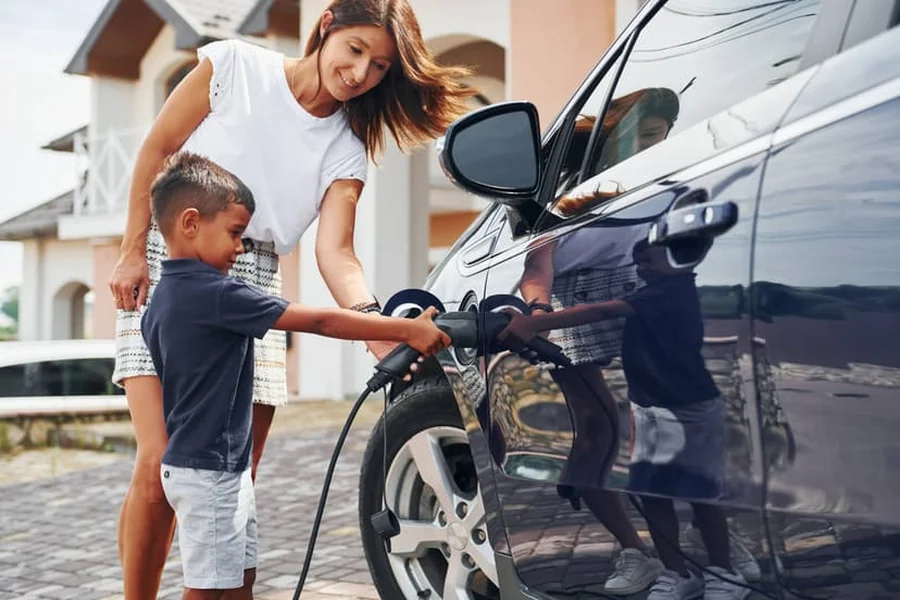
Transitioning to an electric vehicle (EV) is more than a shift in transportation; it represents a commitment to sustainable living and energy efficiency. Installing a home EV charger not only provides the convenience of charging your vehicle overnight but also opens up opportunities for financial incentives and rebates that can significantly reduce costs. We will explore the range of programs available at federal, state, and utility levels that encourage homeowners to adopt EV charging infrastructure. Understanding these incentives can help EV owners make informed decisions about installation and maximize their savings while contributing to environmental sustainability.
Key Incentives and Rebates for Home EV Charging
-
Federal Tax Credits
The federal government offers tax credits to promote the adoption of electric vehicles and the infrastructure that supports them. Homeowners who use home EV charger installation services in Vancouver WA to install a qualified Level 2 charging station may be eligible for a tax credit of up to 30% of the installation cost, capped at a set dollar amount depending on the year and program guidelines. These credits reduce your taxable income, directly lowering the amount owed to the Internal Revenue Service. To qualify, the installation must meet safety standards and be performed by a licensed electrician. Keeping detailed invoices and documentation is crucial to ensure you can claim the credit when filing your annual taxes, making it a valuable financial consideration for new EV owners.
-
State-Level Incentives
Many states offer additional incentives that complement federal programs, ranging from rebates to grant programs. For instance, states like California, New York, and Washington provide monetary rebates for residential charging station installations, sometimes covering hundreds of dollars of the total cost. These programs aim to accelerate the adoption of EVs by lowering upfront costs and making home charging more accessible. Eligibility requirements vary by state and often include proof of residency, purchase of a qualified EV, and installation of approved charging equipment. Researching state-specific programs ensures homeowners can combine multiple incentives to maximize overall savings and benefit from supportive regional policies.
-
Utility Company Rebates
Several utility companies provide rebates or bill credits to customers who install EV charging stations at home. These programs encourage off-peak charging to reduce strain on the electrical grid and promote efficient energy use. Rebate amounts vary based on the utility and sometimes depend on the charger type or installation date. Some utilities offer additional perks, such as discounted equipment rates, free installation consultations, or access to time-of-use electricity rates that reduce charging costs during certain hours. Enrolling in these programs typically requires submitting an application, providing proof of installation, and sometimes scheduling inspections to verify compliance with program requirements, making utility rebates a practical way to reduce installation expenses.
-
Manufacturer and Dealer Incentives
Certain EV manufacturers and dealers offer incentives to customers who invest in home charging equipment. These incentives may include direct rebates on charging stations, discounts on bundled home charging packages, or promotional offers tied to vehicle purchases. While not as widely available as federal or state programs, manufacturer incentives can further decrease the upfront costs of installing a home EV charger. Homeowners should inquire with dealerships or manufacturer websites to explore eligibility criteria, such as purchasing a qualifying vehicle or enrolling in loyalty programs. Combining these incentives with government and utility programs can create a layered financial benefit, enhancing affordability for new EV owners.
-
Low-Income and Community-Based Programs
To support equitable access to EV technology, some states and local governments provide targeted incentives for low-income households or specific communities. These programs often include higher rebates, grants that cover a substantial portion of installation costs, or subsidized equipment options. Participation may require income verification, proof of residence, and adherence to approved installation guidelines. By focusing on affordability, these programs aim to reduce barriers to entry for individuals facing financial constraints, thereby promoting broader EV adoption and advancing environmental justice. Homeowners in eligible programs can take advantage of both these targeted rebates and standard incentives, maximizing their overall benefit while supporting sustainable transportation solutions.
-
Energy Efficiency Program Participation
Certain regions integrate EV charger incentives into broader energy efficiency initiatives. Homeowners participating in energy audit programs, green energy programs, or demand response initiatives may be eligible for additional funding or rebates when installing a home EV charger. These incentives often tie financial benefits to environmentally responsible behavior, such as using energy-efficient appliances, installing solar panels, or shifting electricity usage to off-peak hours. Combining home charging installation with these energy programs can create a synergistic effect, lowering both installation costs and ongoing energy expenses. Documentation of participation, compliance with energy efficiency standards, and timely submission of rebate applications are essential to ensure eligibility and maximize savings.
-
Local Government and Municipal Programs
Municipalities and local governments sometimes offer grants, rebates, or tax reductions for residents installing home EV chargers. These programs aim to promote cleaner transportation within the community and reduce local emissions. Incentives vary widely, with some cities offering flat rebates, reduced permit fees, or expedited installation approvals. Residents are encouraged to consult local government websites or sustainability offices to understand the application process, deadlines, and eligibility requirements. By combining local programs with state and federal incentives, homeowners can substantially reduce the cost of home EV charging infrastructure and enjoy the long-term benefits of convenient, efficient vehicle charging.
Home EV charging incentives and rebates provide significant opportunities to reduce the financial burden of adopting electric vehicles while promoting sustainable energy practices. By exploring federal, state, utility, and local programs, homeowners can combine multiple incentives to maximize savings and enhance the convenience of home charging. Understanding eligibility requirements, application procedures, and compliance rules ensures that the benefits are fully realized and integrated into daily routines. With thoughtful planning and attention to available programs, installing a home EV charger becomes an economically sound decision that supports both personal convenience and broader environmental goals.
