
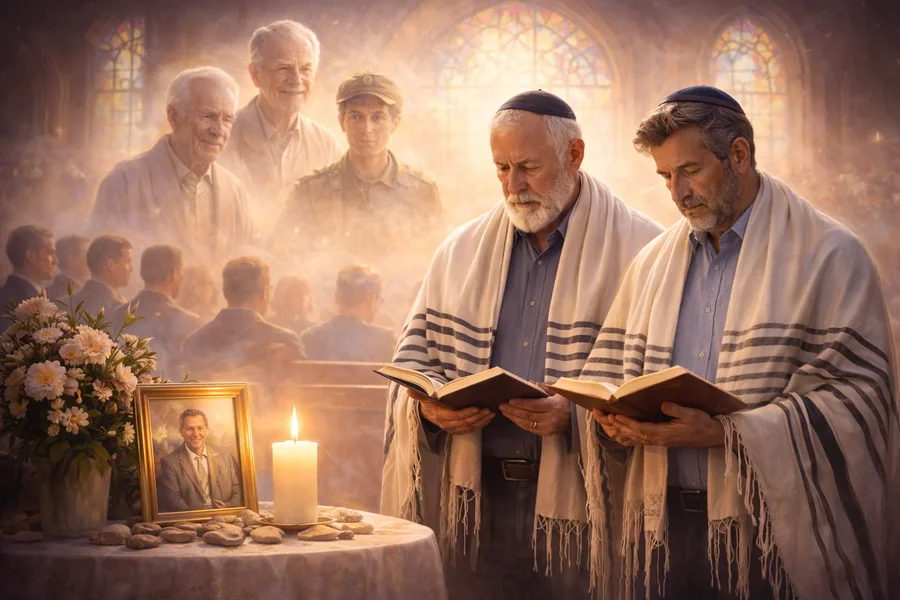
In Jewish tradition, remembering the departed holds a central place in spiritual life, connecting the living with the dead through ritual and reflection. Yizkor, a memorial prayer recited on specific Jewish holidays, embodies this connection by allowing individuals to honor their deceased relatives and friends while reinforcing communal bonds. The concept goes beyond mere remembrance; it emphasizes the soul’s enduring presence and the deceased’s ongoing impact on the moral and spiritual lives of the living. We will explore how Yizkor serves as a conduit for memory, reflection, and spiritual continuity, reflecting profound insights into the Jewish understanding of life, death, and the eternal nature of the soul.
The Spiritual and Communal Dimensions of Yizkor
1. Reinforcing Memory Through Ritual:
Yizkor functions as a formalized ritual that anchors the memory of the deceased within the rhythm of Jewish life. By designating specific holidays for remembrance, the practice ensures that memory is not fleeting but instead is integrated into the communal and spiritual calendar. The recitation of Yizkor, whether in synagogue or privately using prayer cards, requires participants to actively engage with the names and lives of those who have passed, transforming abstract remembrance into a tangible spiritual act. This practice helps maintain a connection to past generations, reminding the living of their heritage and the continuity of family and communal narratives, which strengthens both personal and collective identity within the Jewish tradition.
2. Honoring the Soul and Its Eternal Presence:
Central to Yizkor is the acknowledgment of the soul’s ongoing existence beyond physical death. In Jewish thought, the soul continues to exist and can influence the world through the memories and prayers of the living. By invoking Yizkor, participants participate in a spiritual dialogue that transcends the temporal boundary of life and death. Each prayer recited becomes a gesture of support for the soul of the departed, offering spiritual merit and peace. The act of remembrance is thus not merely sentimental but an ethical and spiritual responsibility, reflecting the belief that the living can positively impact the deceased’s soul through memory, prayer, and acts of charity performed in their honor.
3. Strengthening Communal Bonds:
Yizkor is observed collectively, often within the synagogue during major festivals such as Yom Kippur, Passover, Shavuot, and Sukkot. This communal aspect emphasizes shared experience and mutual support, highlighting how memory can serve as a bridge between generations and between individuals within the community. By joining in collective remembrance, participants affirm that the impact of the departed extends beyond individual family units, encompassing the broader spiritual and social fabric. The practice fosters empathy, solidarity, and awareness of shared history, reinforcing communal values of care, respect, and continuity that are integral to Jewish cultural and spiritual life.
4. Moral and Ethical Reflection:
The Yizkor service encourages the living to reflect not only on the lives of the deceased but also on their own conduct and responsibilities. Remembering loved ones serves as a catalyst for self-examination, inspiring individuals to emulate virtues they admired in the departed or to address shortcomings in their own lives. This reflective process aligns with the Jewish emphasis on ethical living and the pursuit of justice, compassion, and humility. Yizkor thus functions as both a spiritual and ethical exercise, linking memory with moral action and reinforcing the belief that the living can honor the dead by leading meaningful, principled lives that perpetuate their values and legacy.
5. Educational and Generational Transmission:
Yizkor also functions as a tool for transmitting knowledge and values across generations. When parents and grandparents participate in or explain Yizkor to younger family members, they convey narratives, traditions, and lessons from the past, ensuring that the memory of ancestors remains active within contemporary life. The process teaches children and adolescents about lineage, cultural identity, and spiritual continuity. By embedding remembrance in both ritual and storytelling, Yizkor cultivates a consciousness of interconnectedness and history, illustrating that memory is not a static act but a dynamic mechanism through which the past informs and shapes the ethical, spiritual, and communal life of present and future generations.
6. Integration of Prayer and Reflection:
Prayer cards, such as those provided by Jewish organizations, support the recitation of Yizkor by offering structured guidance, including prayer texts and instructions for inserting names. These tools facilitate focus, mindfulness, and intentionality in remembrance, allowing participants to engage deeply with the spiritual act. Structured prayers guide the heart and mind toward reflection on the qualities, contributions, and enduring influence of the departed, enhancing both the personal and communal dimensions of Yizkor. By combining textual fidelity with personal connection, Yizkor rituals strengthen the bridge between spiritual practice and lived experience, providing a framework for intentional, reverent, and meaningful engagement with memory.
7. Commemoration Beyond Individuals:
While Yizkor often centers on specific relatives or friends, it also encompasses broader historical consciousness, including remembrance of communities, teachers, or groups lost to tragedy. The practice encourages participants to situate personal grief within a larger narrative of collective memory, acknowledging losses that shape communal identity and cultural resilience. By linking personal remembrance with collective history, Yizkor fosters awareness of shared responsibility, continuity, and the enduring impact of human life. This broader dimension illustrates that memory and the soul are interconnected not only on an individual level but also within the collective moral and spiritual framework of Jewish life.
Yizkor represents more than a ritual or set of prayers; it embodies the Jewish understanding of memory, soul, and the ethical responsibilities of the living. By intertwining remembrance with spiritual, moral, and communal practices, it ensures that the deceased continues to influence life, values, and identity. Through reflection, prayer, and active engagement, Yizkor sustains the connections among the past and the present, the individual and the community, and the temporal and the eternal, demonstrating that memory and soul remain intertwined in meaningful, enduring ways within Jewish life. It affirms that honoring the departed is both a spiritual practice and a moral imperative, fostering continuity, resilience, and ethical consciousness across generations.
