
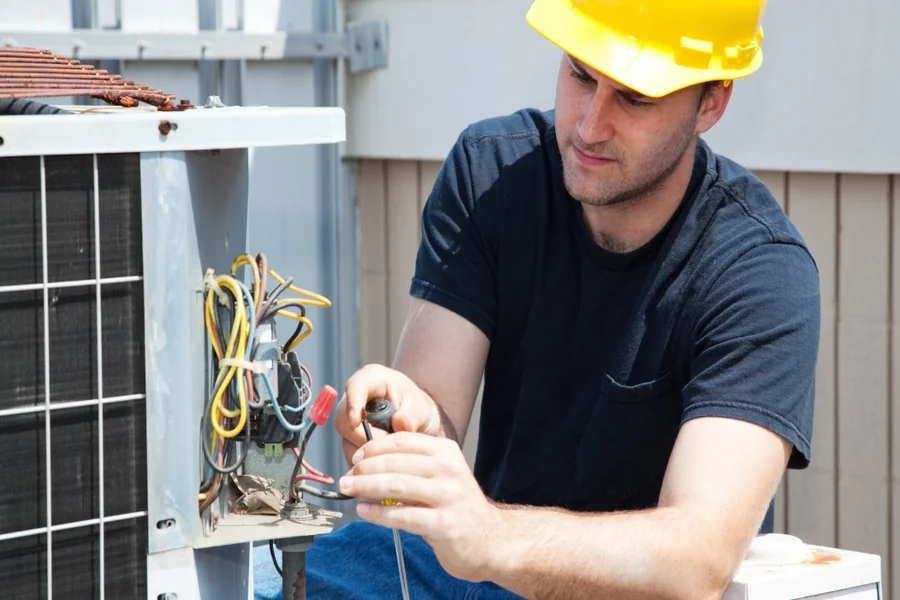
It is easy to blame old equipment when a home feels uncomfortable or an HVAC system struggles to perform. That assumption drives many costly recommendations. But replacing equipment without understanding how air is actually moving through the system can leave the same comfort problems in place and sometimes make them worse. Static pressure gives an HVAC contractor a clearer starting point. Before suggesting a larger unit, a new blower, or a full system replacement, it’s important to determine whether the real problem is the equipment itself or the duct system and airflow conditions surrounding it.
What Resistance Reveals
-
Why Static Pressure Matters First
Static pressure measures the resistance the HVAC system encounters as it moves air through the ductwork, filter, coil, and supply and return paths. In practical terms, it tells a contractor whether the system is breathing freely or struggling against restrictions. That matters because airflow problems often look like equipment problems from the outside. A house may have weak comfort, long runtimes, noisy returns, or uneven room temperatures, yet the real issue may be excessive resistance rather than an undersized or failing unit.
-
Why Airflow Must Be Verified
That is why a careful Braintree, MA HVAC Contractor or any contractor focused on diagnosis should check static pressure before recommending major equipment changes. A system may appear to need more capacity when, in reality, it cannot move enough air through the existing duct network. If the contractor skips that test and recommends new equipment based only on symptoms, the next system may inherit the same airflow problems on day one. Static pressure helps separate true equipment limitations from duct and distribution failures that need attention first.
-
High Static Pressure Signals Restriction
One of the most important things static pressure can reveal is excessive resistance somewhere in the system. A dirty filter, an undersized return, a plugged coil, a restrictive duct layout, closed dampers, or crushed flex duct can all drive pressure too high. When that happens, the blower has to work harder to move air, and overall system performance suffers. Occupants may notice rooms that never feel comfortable, louder operation, poor airflow at vents, or equipment that seems to run longer without delivering better results.
This matters because high static pressure changes how the contractor interprets the problem. If airflow restrictions are choking the system, replacing the furnace or air handler without addressing them does not resolve the underlying issue. The new equipment may operate under the same stressful conditions, reducing performance and shortening component life over time.
Measuring total external static pressure allows a technician to identify whether an issue stems from mechanical failure or internal resistance within the ductwork. When evaluating these readings, professionals like those at Burnworth’s A/C rely on manometers to capture precise data that surface symptoms often obscure. This diagnostic step is essential because replacing a blower motor without addressing a clogged evaporator coil or undersized return plenum only invites future breakdowns. By prioritizing this data-driven approach, contractors can offer long-term solutions that resolve the root cause of poor airflow rather than simply treating the symptoms of a struggling residential or commercial system.
-
Low Airflow Changes Equipment Performance
Static pressure also helps explain why equipment may not be performing to its rated ability. Heating and cooling equipment depend on adequate airflow to transfer heat properly. If airflow is too low, the system can overheat in heating mode, freeze the coils in cooling mode, or lose efficiency, affecting comfort and operating costs. The equipment may still turn on and off normally, which can mislead owners into thinking the major components are fine.
A static pressure reading gives the contractor evidence that the system’s operating conditions are affecting performance. Instead of recommending larger equipment to force more heating or cooling into the home, the better answer may be to restore proper airflow. That can involve duct improvements, return air changes, coil cleaning, or filter adjustments rather than a major equipment replacement.
When a technician identifies a discrepancy between measured static pressure and the manufacturer’s specified budget, the path forward involves a systematic evaluation of all air-side components. These diagnostics often reveal that the core issue is not the equipment itself but rather restrictive elements like high-MERV filters or undersized plenums that choke the blower. Experienced professionals like The A/C Guys utilize these data points to explain how seemingly minor restrictions can lead to major mechanical strain over time. By addressing these foundational airflow imbalances before suggesting a hardware replacement, a contractor ensures that any new installation will actually deliver the promised efficiency and comfort. This comprehensive approach transforms a routine service call into a long-term solution for system longevity.
-
Duct Design Problems Become Visible
Static pressure testing is valuable because it exposes problems that visual inspection alone may miss. Duct systems can look acceptable on the surface while still being poorly sized or badly laid out for the home’s actual needs. Long runs, undersized trunks, sharp turns, limited return paths, and imbalanced branch design all create resistance that affects airflow through the system. These problems are easy to overlook if the contractor focuses only on the equipment cabinet.
By measuring static pressure, the contractor can determine whether the duct system allows the equipment to operate under normal conditions. That becomes especially important before recommending upgrades such as higher-efficiency units, variable-speed equipment, or larger systems. Advanced equipment still depends on sound airflow. If the duct system is flawed, better equipment alone will not create better results.
Understanding the relationship between static pressure and airflow is essential for any technician aiming to provide a high-performing system. When internal resistance exceeds the manufacturer’s design specifications, components like blowers and motors are forced to work much harder, leading to premature wear and inconsistent temperatures throughout the living space. Experienced teams, such as those at Sensigreen Heating, Cooling & Insulation, recognize that measuring these levels before suggesting new equipment ensures the ductwork can actually handle the upgraded output. By identifying these bottlenecks early, contractors can address restricted returns or undersized supply runs, ultimately protecting the homeowner’s investment and ensuring the new unit operates at its maximum rated efficiency for years to come.
Why The Reading Shapes Better Recommendations
Static pressure helps an HVAC contractor determine whether a system is limited by equipment or by airflow resistance that prevents the equipment from performing properly. It can reveal restrictive filters, dirty coils, undersized returns, poor duct design, and broader distribution problems that affect comfort and efficiency. Those findings matter because they shape better recommendations and prevent expensive missteps.
For property owners and managers, the practical value is straightforward. Static pressure testing helps ensure that equipment changes are based on evidence rather than assumptions. When contractors understand how the system handles airflow before recommending replacements, they are far more likely to solve the real problem rather than install new equipment within the same old constraints.
