
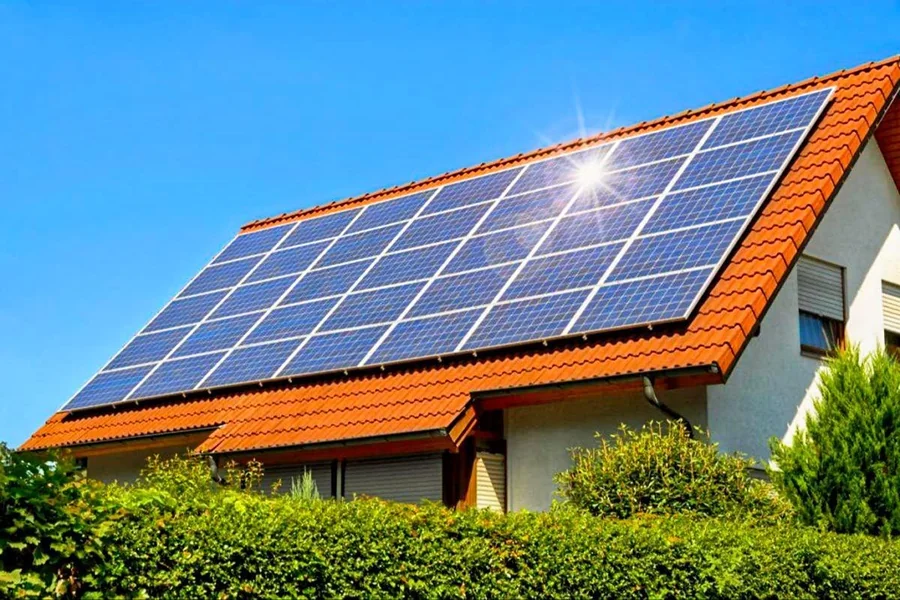
Solar energy systems are long-term investments, but like any technology, they do not remain static in efficiency or output forever. Many homeowners and businesses initially install solar panels to reduce energy costs and improve sustainability, yet over time, performance can shift due to aging components, evolving energy needs, and advancements in solar technology. We will explore when upgrading your solar panels becomes a practical decision rather than an optional improvement. Understanding the right timing can help you maintain consistent energy production, avoid unnecessary expenses, and align your system with modern efficiency standards without disrupting your overall energy strategy.
Key Indicators That Signal It’s Time to Upgrade Your Solar Panels
-
Declining Energy Output Over Time
One of the clearest indicators that your solar panels may need an upgrade is a noticeable drop in energy production. While all panels experience gradual degradation, the rate can vary depending on environmental exposure, material quality, and installation conditions. If your system is producing significantly less electricity than it did in its early years, even after cleaning and routine maintenance, this decline may no longer be recoverable through simple fixes. In fact, consistent upkeep through services such as solar panel cleaning Fontana can help rule out surface-level issues like dust and grime before concluding that a deeper performance decline is occurring. Monitoring systems often reveal patterns such as reduced daily output or inconsistent performance across panels, which can often be traced back to limitations in the original Solar Energy System Design. When degradation reaches a point where energy savings no longer justify maintenance efforts, upgrading becomes a logical step. Modern panels offer higher efficiency, meaning fewer panels can produce more electricity than older systems. This shift allows users to recover lost performance and even exceed previous output levels, making the upgrade a strategic move rather than a reactive one.
-
Increasing Household or Business Energy Demands
Another important factor in deciding when to upgrade is the change in your energy consumption. Over time, households may add new appliances, electric vehicles, or expand living space, while businesses might introduce additional equipment or extend operating hours. These changes can push your existing solar system beyond its original capacity. If you find yourself relying more on grid electricity despite having solar panels installed, it may indicate that your system is no longer aligned with your energy profile. Instead of continuing to draw supplemental power, upgrading your solar panels can help you regain energy independence. Newer systems can be designed to match current consumption levels while also accommodating future growth. This forward-thinking approach ensures that your investment continues to deliver value as your energy requirements evolve, reducing long-term dependency on external power sources.
-
Advancements in Solar Technology
Solar technology has progressed significantly over the past decade, with improvements in efficiency, durability, and integration capabilities. Older panels may operate at efficiency levels that are now considered outdated, meaning they convert less sunlight into usable electricity. Upgrading allows you to take advantage of newer innovations such as higher-efficiency photovoltaic cells, improved inverters, and enhanced energy storage compatibility. These advancements not only increase energy output but also improve system reliability and monitoring capabilities. For instance, modern systems often include smart features that provide real-time performance data and automated optimization. When the gap between your current system and available technology becomes substantial, upgrading can yield measurable performance gains. Rather than maintaining an aging system that struggles to keep up, transitioning to updated equipment can significantly enhance overall energy production and system responsiveness.
While many homeowners expect their renewable energy systems to last indefinitely, the reality involves a slow but steady decline in efficiency. On average, panels lose about half a percent of their output annually, meaning a system approaching the two-decade mark may only generate a fraction of its original power. Monitoring these metrics through resources like greenwavesolar.com provides a clearer picture of when a complete overhaul becomes more cost-effective than continued maintenance. As technology rapidly advances, newer modules can often provide significantly higher wattage within the same physical footprint. Deciding to upgrade ensures your home remains energy-independent while maximizing the long-term return on your initial environmental investment.
-
Frequent Maintenance and Repair Costs
As solar panels age, maintenance requirements can become more frequent and costly. Issues such as wiring degradation, inverter failures, or physical wear can lead to recurring repair expenses. While occasional maintenance is expected, a pattern of repeated repairs may indicate that the system is approaching the end of its effective lifespan. Continuing to invest in repairs without addressing the underlying inefficiencies can result in diminishing returns. In such cases, upgrading becomes a more financially sound decision. A new system reduces the likelihood of ongoing issues and improves durability across various environmental conditions. Additionally, modern installations often come with updated warranties and performance guarantees, offering greater peace of mind. By replacing outdated components with newer alternatives, you can shift from a reactive maintenance approach to a more stable and predictable energy system.
-
Changes in Incentives and Energy Policies
Government incentives, tax credits, and energy policies can play a significant role in determining the right time to upgrade your solar panels. These programs are often designed to encourage the adoption of newer, more efficient technologies. If updated incentives become available, they can offset a portion of the upgrade costs, making the transition more financially accessible. Additionally, changes in net metering policies or energy pricing structures may affect the value you receive from your solar system. For example, newer systems might qualify for improved compensation rates or integration with energy storage solutions that enhance overall efficiency. Staying informed about these policy shifts allows you to align your upgrade decision with favorable financial conditions. Timing your upgrade to coincide with supportive incentives can maximize the return on your investment while ensuring compliance with current energy standards.
Upgrading your solar panels is not merely about replacing old equipment; it is about adapting to changing energy landscapes, technological progress, and evolving personal or business needs. By recognizing the signs such as declining performance, increased energy consumption, and rising maintenance costs, you can make informed decisions that support long-term efficiency. A well-timed upgrade can transform your energy setup into a more resilient, future-ready solution, enabling you to benefit from improved performance and fewer operational challenges.
