

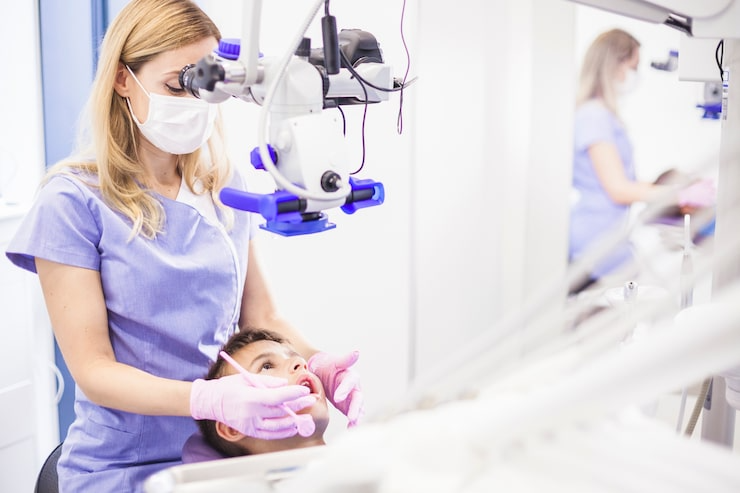
Dentistry is advancing at a remarkable pace, with new technologies, techniques, and best practices regularly emerging. Dental professionals who want to provide the highest level of care must keep up with these changes by pursuing ongoing education and participating in industry events. One accessible way for dental practitioners to hone their skills and expand their knowledge is through on-demand dental CE courses online, which allow them to stay current without leaving the office.
The growth of innovative tools such as digital scanners, 3D printers, and artificial intelligence platforms has made ongoing training vital for every practicing dentist. Modern dental training and events bring together professionals equipped to learn about the latest advancements, ensuring improved patient outcomes, enhanced practice efficiency, and new opportunities for collaboration within the field. In addition to technological changes, dentistry is also seeing a shift toward more sustainable approaches and improved accessibility. Training sessions and conferences now emphasize eco-friendly protocols and solutions that reach underserved communities. As highlighted by the American Dental Association’s green dentistry resources, embracing sustainability benefits both practices and the environment.
Professional gatherings are not just about lectures and presentations. They cultivate a spirit of community among dental practitioners, facilitating hands-on demonstrations and fostering relationships that strengthen the field. By prioritizing education and participation, dentists can adapt to rapid changes and support the continual evolution of oral healthcare.
Embracing Digital Dentistry
Digital technology has brought a paradigm shift to dental offices worldwide. Systems such as Computer-Aided Design and Manufacturing (CAD/CAM) have revolutionized restorative dentistry, enabling rapid turnaround times for crowns, bridges, and veneers with unsurpassed precision. Digital intraoral scanners and imaging provide detailed diagnostic data, streamlining workflows for clinicians while making dental visits faster and more comfortable for patients. Embracing these tools requires regular exposure to training modules and live demonstrations, often found at conferences and specialized training events.
The Role of Artificial Intelligence
Artificial Intelligence (AI) is rapidly becoming an integral part of modern dentistry. AI-based software helps practitioners detect cavities, assess bone levels, and even analyze orthodontic needs with greater accuracy than ever before. According to recent coverage by the American Dental Association, AI tools are also starting to assist with treatment planning, offering pathways and predicting outcomes. As AI solutions become more sophisticated, ongoing education ensures dentists are well-prepared to interpret and maximize the value of these advancements.
Advancements in 3D Printing
3D printing is transforming dental laboratories and clinics alike. Rather than outsourcing the fabrication of prosthetics, aligners, or surgical guides, practices can now generate these on-site in a matter of hours. The ability to custom-print appliances significantly reduces both material waste and turnaround times, while also improving patient care. Training programs now devote significant time to mastering 3D CAD design and printer maintenance, helping professionals fully realize the potential of this groundbreaking technology.
Teledentistry: Expanding Access
Teledentistry has become a lifeline for patients unable to easily visit a dental office, whether due to geography, mobility issues, or scheduling conflicts. Through secure virtual platforms, practitioners can conduct initial consultations, provide post-operative instructions, and efficiently triage urgent cases. The pandemic highlighted the value of these solutions, and training in teledental care is now a focus at many industry events. As regulatory frameworks for teledentistry evolve, ongoing education ensures practitioners deliver care ethically and safely across digital channels.
Eco-Friendly Practices in Dentistry
Sustainability is playing an ever-growing role in dental care as practices seek to reduce their environmental impact. Contemporary dental education highlights eco-friendly strategies such as biodegradable disposables, mercury-free fillings, and energy-efficient technologies. Many dental conferences and trade shows now feature workshops on waste reduction, teaching teams practical ways to minimize their ecological footprint while maintaining high-quality patient care. Implementing green initiatives not only supports environmental responsibility but can also enhance practice efficiency and community reputation. Far from a passing trend, sustainable dentistry is quickly becoming an essential standard within the profession, shaping the future of patient care and operational practices.
Importance of Continuing Education
Dentistry’s strong emphasis on lifelong learning ensures patients consistently receive the most current, evidence-based care available. Continuing education programs, ranging from hands-on workshops and interactive webinars to live clinical demonstrations, regularly evolve to address innovations in implantology, advanced pain management techniques, oral pathology, digital dentistry, and other specialized fields. On-demand learning platforms and in-person conferences give dental professionals flexible opportunities to fulfill licensure requirements while sharpening clinical skills. According to industry consensus highlighted in Dental Economics, ongoing professional development plays a vital role in maintaining high standards, improving patient outcomes, and supporting long-term practice growth and excellence.
Networking and Collaboration
Industry events offer opportunities for networking beyond clinical education. Dentists, hygienists, and specialists can exchange ideas about complex cases, regulatory changes, and business strategies. These conversations can spark research collaborations, drive the adoption of new treatment modalities, and lead to referrals that benefit both patients and practices. By building professional networks at conferences and seminars, dental professionals can collaborate to address the unique challenges and advances in modern oral health.
Conclusion
Ongoing education and active involvement in dental conferences, workshops, and professional organizations are essential for thriving in an ever-evolving field. As new technologies, materials, and treatment techniques emerge, continuous training enables dentists to refine their skills and confidently adopt evidence-based innovations. Integrating digital tools, sustainable practices, and collaborative care models enhances both efficiency and patient outcomes. Expanding access through teledentistry further broadens reach and convenience. By committing to lifelong learning and professional growth, dental practitioners strengthen clinical excellence, encourage innovation, and ensure every patient benefits from high-quality, modern, and compassionate care.
