

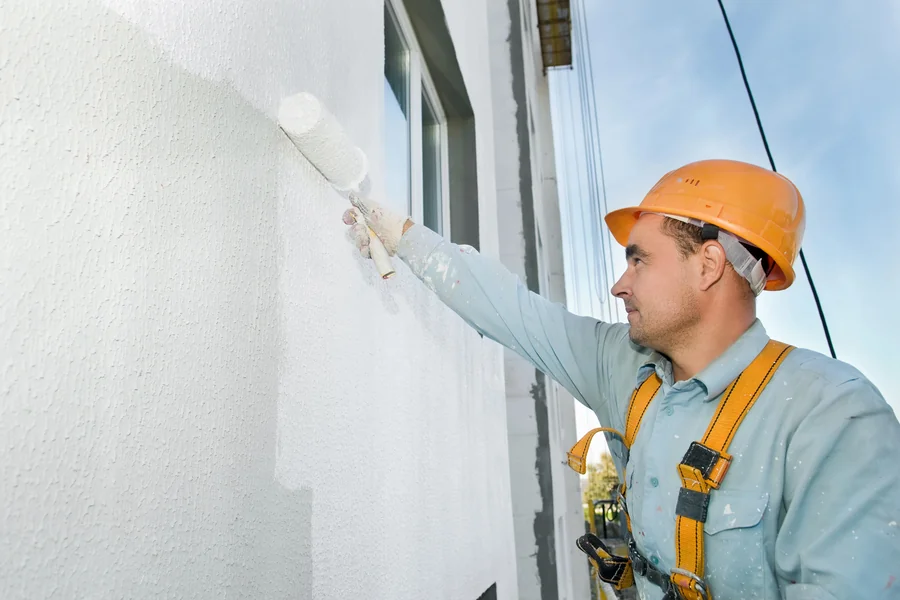
A paint job begins long before a brush touches the wall. Painters know that the finish will only perform as well as the surface beneath it, which is why condition assessment comes first. A wall, ceiling, trim board, or exterior section may appear ready for paint from a distance, yet still hide moisture stains, hairline cracks, chalking, adhesion failure, or previous patchwork that changes the entire scope of the work. Evaluating surface conditions is not a formality. It is the step that determines how much preparation is needed, which products make sense, and whether the project is being built on a stable foundation or a failing one.
What painters look beneath
Damage Is Not Always Obvious at First
One of the first things painters evaluate is whether the surface is physically sound enough to receive a new coating. They look for peeling, bubbling, cracking, soft spots, nail pops, dents, patch marks, texture inconsistencies, and signs that earlier repairs were not blended properly. On interior walls, this may mean spotting subtle drywall seams, old watermarks, or surface grime that could interfere with adhesion. On exterior surfaces, it may mean checking for chalking, sun wear, wood movement, caulk failure, mildew staining, and early deterioration around joints and trim edges. Painters are not simply asking whether the surface looks worn.
They are trying to understand why it looks that way and whether the condition is superficial or tied to a deeper issue. That distinction matters because cosmetic wear can often be corrected with proper preparation, while structural instability or active moisture can force a larger repair conversation before painting begins. Companies that handle complex residential evaluations, including those in Henrico, VA, Interior & Exterior Painters, often know that a small visible flaw may indicate a larger preparation need upon closer examination of the surface. A clean quote and a durable finish both depend on recognizing that early.
Adhesion, Moisture, and Contamination Change the Plan
After the visible condition is reviewed, painters assess whether the existing surface can actually hold new paint. Adhesion matters because a fresh coating will not last if the old one is already failing underneath. A painted wall or siding section may feel dry and look stable, yet still have loose edges, brittle layers, or glossy coatings that prevent the next product from bonding correctly. Painters also watch for moisture-related warning signs such as discoloration, mildew, bubbling, or recurring stain patterns. These issues matter because moisture can continue to push through a new finish long after the project is complete, causing paint failure that has little to do with the topcoat’s quality. Contamination is another major concern.
Grease, smoke residue, soap film, dust, chalking, and environmental buildup all affect how well new paint attaches to the surface. That is why evaluation includes more than visual inspection. Painters often use touch, close-up lighting, and experience with surface behavior to judge whether cleaning, sanding, stain-blocking, priming, or deeper correction is needed. A surface may appear ready from across the room, but the real question is whether it is clean, dry, stable, and compatible with the planned coating system.
Texture, Material Type, and Previous Coats Matter Too
Painters also evaluate what the surface is made of and how previous coatings have altered it over time. Drywall, plaster, wood, masonry, metal, and previously repaired areas all respond differently to preparation and paint. Some surfaces absorb coatings unevenly, some highlight imperfections under certain lighting, and some require primers designed specifically for bonding or stain control. Previous paint history matters too. If a surface has been repainted several times, the buildup may create ridges, roughness, or areas where detail has been lost under too many layers. Gloss level also plays a role. A slick or semi-gloss surface may need more aggressive sanding before a new finish can hold properly.
Painters are also evaluating how texture will affect the final look. Patch flashing, roller stipple differences, brush drag, and uneven surface porosity can all influence how light hits the painted area after it dries. This part of the evaluation helps determine whether the project is a straightforward repaint or a more involved restoration of the surface itself. Without that step, a painter could apply a technically correct product and still end up with an uneven finish because the underlying material condition was never fully addressed.
The Evaluation Shapes the Entire Job
Painters evaluate surface conditions before starting a project because the surface determines everything that follows. It affects preparation time, product selection, labor requirements, scheduling, and the likelihood that the new finish will hold up as intended. Peeling paint, moisture issues, contamination, uneven texture, and unstable previous coatings all change the plan long before color enters the conversation. When the surface is clearly understood from the outset, the work becomes more accurate and the final result more dependable. Good painting is not only about application. It is about reading the condition of the material first and responding to what that condition actually requires.
