

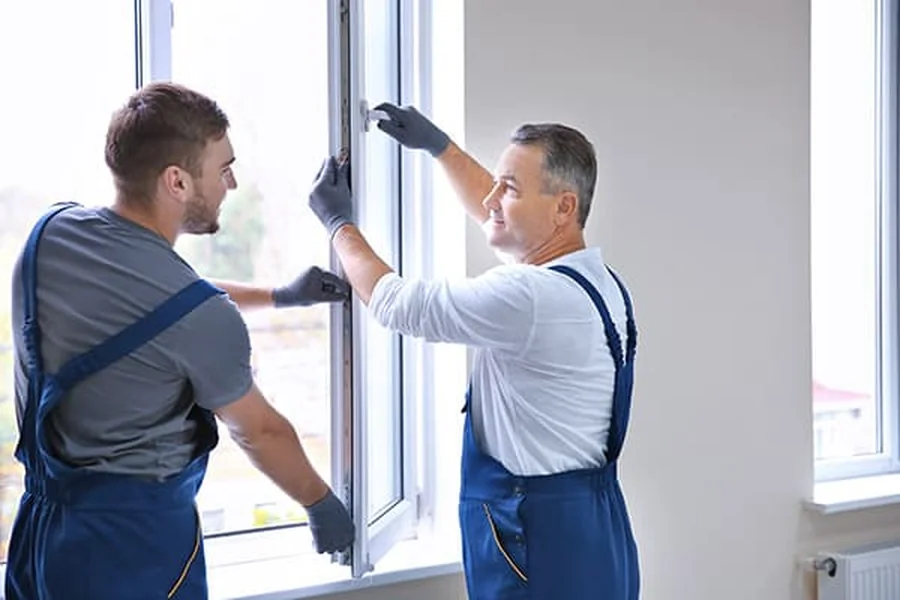
Window installation looks simple when viewed from the finished side of the wall. The trim appears square, the opening appears clean, and the replacement seems routine. The problem is that wall openings often tell a different story once the old unit comes out. Framing can be out of square, sills can slope, sheathing can shift, and prior repairs can leave the new unit with less support than expected. For property managers, facility managers, and building owners, uneven wall openings are not unusual field complications. They are a core part of why installation quality matters. Window installation services address these conditions by correcting the opening, ensuring proper fit, and restoring performance at the wall-to-window connection.
Uneven Openings Change The Whole Job
-
The Window Cannot Fix the Wall
An uneven wall opening affects more than appearance. It changes how the new window seats, how the frame carries load, how the sash operates, and how the perimeter can be sealed against air and water. If installers treat the opening as “close enough,” the job may still look acceptable at a glance, but long-term performance often suffers. Drafts, sticking sashes, water intrusion, and visible frame stress usually start with poor alignment between the unit and the opening.
That is why established installation teams, including companies such as Harley Exteriors, tend to approach irregular openings as structural and performance issues rather than finish details. The window itself cannot correct a twisted, out-of-square, or deteriorated opening. It has to be installed into a prepared, stable space that allows proper support, shimming, insulation, and sealing from the start.
-
Careful Measurement Comes Before Correction
When installers suspect an uneven opening, the first step is not to force the unit into place. It is to measure the opening thoroughly and understand where the irregularities actually exist. Width may differ from top to bottom, height may vary from side to side, and diagonal measurements often reveal whether the opening is square enough to accept the new unit without modification. Depth also matters, especially where interior finishes, exterior cladding, and flashing details need to align cleanly.
This measurement stage is what separates controlled installation from improvised repair work. It tells the crew whether the issue is a minor adjustment with shims and leveling or whether the opening itself needs structural correction before the window goes in. For owners and managers, that matters because it affects schedule, scope, and long-term reliability. A quick fit is not the same thing as a proper fit.
-
Installers Check The Rough Opening
Once the existing window is removed, professionals inspect the rough opening directly. That is where hidden issues often appear. Framing may have settled, sill plates may have deteriorated, and previous moisture intrusion may have weakened the supporting material around the perimeter. In older properties, it is common to find that past installations concealed these defects with trim, sealant, or filler rather than addressing them.
Window installation services handle this by treating the rough opening as part of the installation system. If the framing is unstable, they repair or rebuild it. If the sill is uneven, they correct it to establish a reliable base. If the opening lacks clean, consistent contact points for the new window, they create them before moving forward. This is practical construction work, not overcorrection. A window needs a sound structure around it to perform properly over time.
-
Shimming Restores Controlled Alignment
Shimming is one of the main ways professionals address minor unevenness in wall openings, but it must be done with precision. Shims are not there to hide errors. They are there to create exact bearing points that keep the frame level, plumb, square, and properly supported without distorting the window. Used correctly, they help installers bridge small inconsistencies in the opening while preserving correct sash alignment and hardware operation.
This matters because uneven support can twist the frame enough to affect performance even when the installation looks neat from the outside. A poorly supported corner may throw off locking points, weatherstripping contact, or drainage behavior. Good installers place shims strategically at structural points, confirm that the frame remains stable, and avoid overcompressing the unit during fastening. The goal is controlled alignment, not simply filling space.
Proper Handling Protects Long-Term Performance
Uneven wall openings are common, especially in older buildings and retrofit projects, but they are manageable when installation crews treat them seriously. Window installation services handle these conditions by measuring thoroughly, inspecting the rough opening, correcting structural issues, shimming with precision, fastening carefully, and rebuilding the insulation and sealing layers around a properly aligned frame. That process is what turns an irregular opening into a dependable installation point.
For property managers, facility managers, and building owners, the real takeaway is straightforward. A window project is not just about replacing glass and frame. It is about restoring performance at one of the most vulnerable transitions in the building envelope. When uneven openings are handled correctly, the window operates better, seals better, and lasts longer. That is what makes the installation feel finished for the right reasons, not just look finished on the day the crew leaves.
