

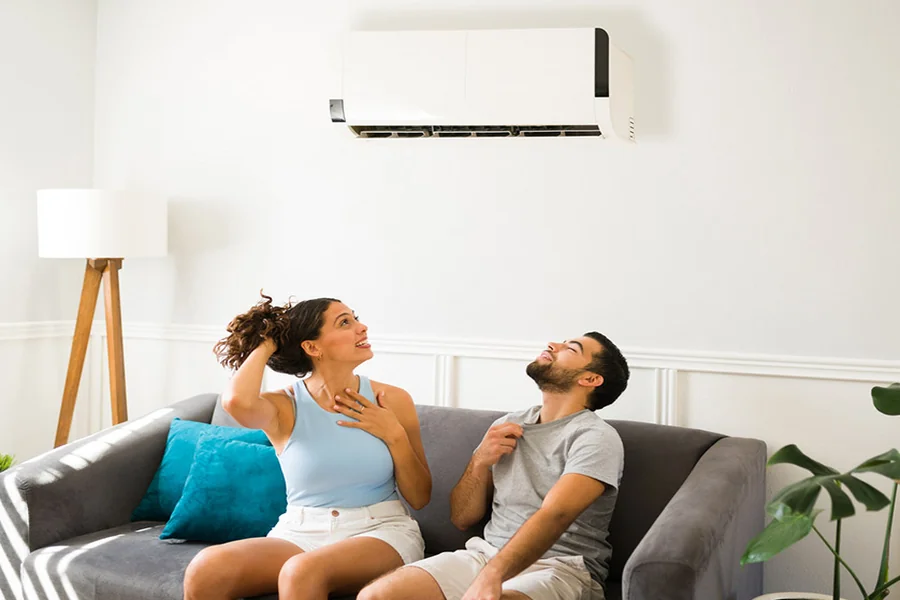
Maintaining a comfortable indoor environment is essential for both health and productivity, yet many homeowners and businesses struggle with uneven temperatures and poor airflow. These issues can lead to hot and cold spots, increased energy bills, and discomfort throughout the day. Addressing airflow and temperature imbalance not only enhances comfort but also improves the efficiency and longevity of your heating and cooling systems. Understanding the causes and solutions for these common problems can make a significant difference in your daily life, ensuring that every room in your home or office remains pleasant and inviting regardless of the season.
What to Expect in This Guide
Understanding Airflow and Temperature Imbalance
Airflow and temperature imbalance occur when certain areas of a building are warmer or cooler than others, often due to inadequate ventilation, blocked vents, or poorly designed HVAC systems. These imbalances can be caused by a variety of factors, including the layout of the building, the placement of windows and doors, and the condition of the ductwork. When airflow is restricted or uneven, some rooms may feel stuffy and warm while others remain chilly, making it difficult to maintain a consistent temperature throughout the space. Over time, this can lead to discomfort, increased wear and tear on your HVAC system, and higher energy costs as the system works harder to compensate for the uneven distribution of air. Addressing these issues requires a thorough understanding of how air moves through your home or office and identifying the specific factors contributing to the imbalance.
Common Causes of Poor Airflow
One of the most frequent causes of poor airflow is blocked or closed vents, which can prevent conditioned air from reaching certain areas. Furniture, curtains, or other objects placed in front of vents can also restrict airflow, leading to uneven temperatures. Additionally, dirty or clogged air filters can reduce the efficiency of your HVAC system, making it harder for air to circulate properly. Leaky or poorly insulated ductwork is another common culprit, as it allows conditioned air to escape before it reaches its intended destination. In some cases, the HVAC system itself may be undersized or improperly installed, making it incapable of adequately heating or cooling the entire building. Regular maintenance and inspection of your HVAC system, including cleaning or replacing filters and checking for leaks, can help prevent these issues and ensure that air flows freely throughout your space. For those living in the desert southwest, services like Quick Refrigeration near Yuma can provide valuable support in diagnosing and resolving airflow problems.
Solutions for Temperature Imbalance
Addressing temperature imbalance often involves a combination of simple adjustments and more comprehensive solutions. One effective approach is to ensure that all vents and registers are open and unobstructed, allowing air to circulate freely. Rearranging furniture and removing any items that block airflow can make a noticeable difference in comfort levels. Upgrading to a programmable thermostat can also help by allowing you to set different temperatures for various zones or times of day, ensuring that each area receives the appropriate amount of heating or cooling. In some cases, adding insulation to walls, ceilings, or ductwork can help maintain consistent temperatures by reducing heat loss or gain. For more persistent issues, it may be necessary to have your HVAC system evaluated by a professional to determine if it is properly sized and installed for your space. Balancing dampers within the ductwork can also be adjusted to direct more air to areas that need it most, further improving comfort and efficiency.
The Role of Regular Maintenance
Regular maintenance is crucial for preventing airflow and temperature imbalance. Scheduling annual inspections and tune-ups for your HVAC system can help identify potential problems before they become serious issues. During these visits, technicians can clean and replace filters, check for leaks or blockages in the ductwork, and ensure that all components are functioning properly. Keeping your system in good working order not only improves comfort but also extends the lifespan of your equipment and reduces energy consumption. Homeowners should also be proactive about changing air filters every few months and keeping vents and registers clean and free of dust or debris. By staying on top of maintenance tasks, you can avoid many of the common causes of airflow and temperature problems and enjoy a more comfortable indoor environment year-round.
Benefits of Balanced Airflow
A well-balanced airflow system offers numerous benefits beyond just improved comfort. When air is distributed evenly throughout your home or office, your HVAC system does not have to work as hard to maintain the desired temperature, which can lead to lower energy bills and reduced wear on the equipment. Consistent temperatures also help prevent issues such as condensation, mold growth, and damage to furniture or electronics caused by excessive heat or humidity. Additionally, balanced airflow can improve indoor air quality by ensuring that fresh, filtered air reaches every room, reducing the concentration of allergens and pollutants. These advantages make it worthwhile to invest time and effort into addressing any airflow or temperature imbalances in your space.
Quick Fixes for Immediate Comfort
Sometimes, simple changes can quickly improve indoor comfort. Adjusting ceiling fans to rotate in the correct direction for the season, sealing gaps around windows and doors, and using draft stoppers can all help maintain a more consistent temperature. Portable fans or space heaters can provide temporary relief in problem areas while you work on more permanent solutions. These quick fixes are especially useful during extreme weather conditions when maintaining comfort is most challenging.
Conclusion
Improving indoor comfort by fixing airflow and temperature imbalance is a practical goal that can significantly enhance your quality of life. By understanding the causes of these issues and implementing effective solutions, you can create a more pleasant and energy-efficient environment in your home or office. Regular maintenance, thoughtful adjustments, and occasional professional support all play a role in ensuring that every room remains comfortable throughout the year. Taking the time to address airflow and temperature problems not only benefits your immediate comfort but also contributes to the long-term health and efficiency of your HVAC system. With the right approach, you can enjoy a consistently comfortable indoor space regardless of the season.
