

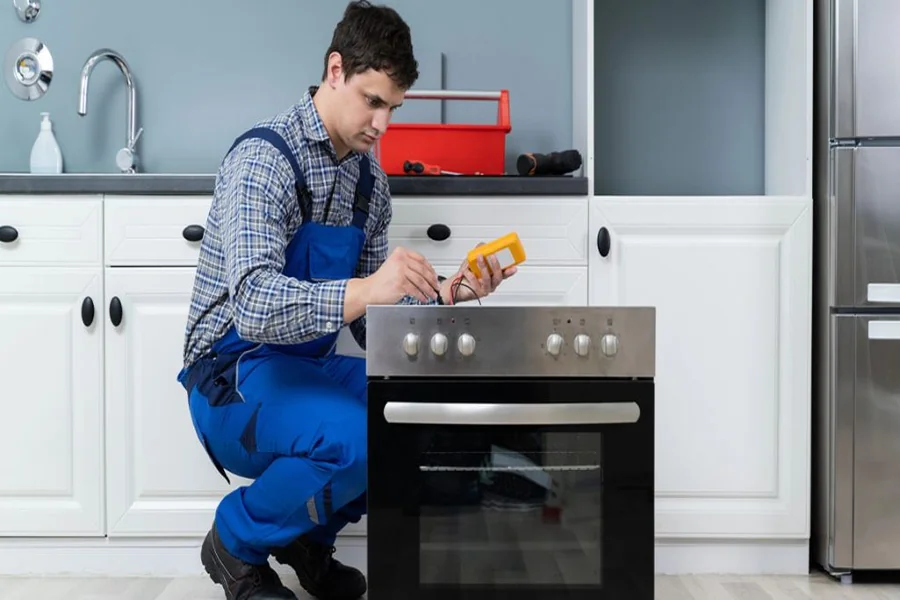
Ovens are essential appliances in every kitchen, but when they fail to reach the set temperature, it can disrupt meal preparation and cause frustration. A malfunctioning oven not only affects cooking times but can also compromise the quality and safety of the food. Understanding why an oven does not heat properly involves examining its components, usage habits, and potential faults. We will explore the most common reasons for temperature inconsistencies, helping homeowners identify issues and consider effective remedies. From electrical problems to mechanical wear, recognizing the underlying causes can save time, prevent damage, and help maintain your oven’s reliability.
Common Reasons Your Oven Isn’t Heating Properly
1. Faulty Heating Elements
The heating element generates heat inside an electric oven. Over time, these elements can deteriorate due to constant thermal cycling, leading to uneven heating or complete failure. A heating element that has visible signs of burning, warping, or breakage may not reach the desired temperature. Even if it appears intact, internal damage can prevent it from working efficiently. Identifying a faulty element involves visually inspecting it for discoloration or deformities and testing it with a multimeter to ensure continuity. For homeowners in need of quick assistance, contacting a service that provides appliance repair in Burnaby can help address these issues promptly. Replacing the heating element is often necessary to restore proper oven function. Regular maintenance and avoiding overuse at maximum temperatures can prolong the life of these components. Homeowners should also check both the bake and broil elements, as issues with either can affect temperature performance.
2. Thermostat Malfunction
The thermostat regulates the oven’s temperature by signaling the heating elements to turn on or off. If the thermostat is inaccurate or faulty, the oven may overheat, underheat, or fail to maintain a steady temperature. Common causes include sensor misalignment, wear and tear, or electrical faults. Some ovens use a separate temperature sensor inside the cavity; if this sensor is loose, damaged, or coated with grease and residue, the thermostat receives incorrect readings. Testing the thermostat and sensor typically requires a professional or a precise multimeter. Replacing the thermostat or recalibrating the oven’s temperature settings can resolve this issue. Proper usage, such as avoiding unnecessary opening of the oven door, also helps the thermostat maintain a stable heat environment.
3. Electrical Supply Issues
An oven requires a consistent and sufficient power supply to reach and maintain high temperatures. Issues with the circuit, wiring, or outlet can prevent the oven from heating fully. Low voltage, loose connections, or tripped breakers may cause intermittent heating or prevent the appliance from reaching the set temperature. Electric ovens draw substantial current, and any fluctuations can affect performance. It is essential to ensure the oven is connected to a dedicated circuit with adequate amperage and that all wiring is secure and up to code. Inspecting the electrical supply, including fuses and breakers, can help identify hidden problems. In some cases, professional electricians may need to address complex wiring faults to ensure safe operation.
4. Oven Door Problems
Heat loss from a faulty or improperly sealed oven door is a common cause of temperature issues. Gaps, warped hinges, or broken seals allow heat to escape, forcing the oven to work harder and preventing it from reaching the desired temperature. Even small leaks can significantly impact cooking performance, as ovens rely on a sealed environment to maintain consistent heat. Checking the door seal for cracks, grease buildup, or detachment can help identify this problem. Replacing the seal or adjusting the door hinges restores proper insulation and improves efficiency. Users should also avoid leaving the oven door open for extended periods during cooking, as this exposes the oven to outside air and lowers the internal temperature.
5. Calibration and User Settings
Sometimes the oven may be functioning correctly, but incorrect settings or miscalibration cause perceived temperature problems. Ovens often need periodic calibration to ensure the displayed temperature matches the internal heat. Factors such as uneven racks, overcrowding, or positioning food near the walls can create hot and cold spots inside the oven. Additionally, setting the oven to a temperature significantly higher than recommended, or using the convection and bake modes incorrectly, can result in uneven cooking. Following the manufacturer’s instructions for calibration and usage helps ensure the oven reaches the desired temperature reliably. Adjusting racks and spacing also promotes proper airflow, preventing temperature variations and uneven cooking.
6. Gas Oven Considerations
For gas ovens, the pilot light or igniter must operate correctly to produce the necessary flame for heating. A weak or inconsistent flame prevents the oven from achieving the desired temperature. Gas flow obstructions, clogged burners, or faulty ignition systems can interfere with proper heating. Cleaning burners, inspecting gas lines, and testing the igniter can help identify problems. Safety precautions are crucial when dealing with gas appliances to prevent leaks and hazards. Homeowners should avoid attempting complex repairs on gas components without professional guidance. Ensuring proper ventilation and routine maintenance helps maintain consistent performance and reduce the risk of temperature discrepancies in gas ovens.
An oven that fails to reach the correct temperature can have multiple causes, ranging from simple maintenance issues to component failures. By understanding the roles of the heating elements, thermostats, electrical supply, and oven door integrity, homeowners can identify the most likely causes of performance problems. Regular calibration, proper usage practices, and preventive maintenance significantly reduce the risk of temperature inconsistencies. For more complex issues involving internal components or gas systems, professional inspection and repair ensure safety and restore reliability. Addressing these factors allows the oven to operate efficiently, delivering consistent cooking results and preserving meal quality for everyday use.
