

Occupational Health and Safety (OHS) regulations are crucial for ensuring workplace safety, and first aid training is a key component of these standards. Understanding the requirements for OHS-recognized first aid courses, the necessary proof of training, and the basics of compliance can help organizations maintain a safe working environment. This article delves into the essentials of OHS-recognized first aid, providing insights into the types of courses available, how to demonstrate compliance, and the importance of adhering to these standards. By grasping these concepts, businesses can better protect their employees and meet regulatory obligations.
Overview of OHS-Recognized First Aid
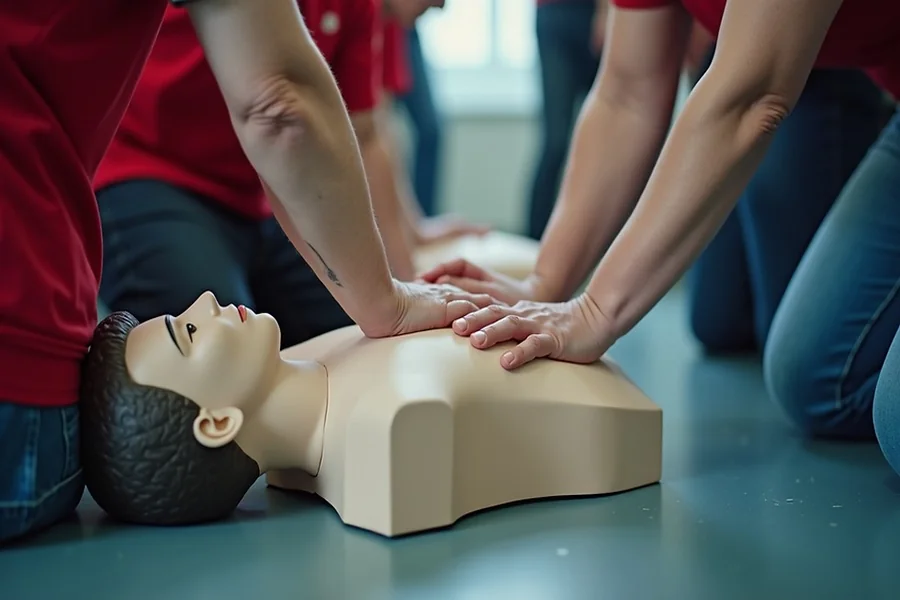
OHS-recognized first aid courses are designed to equip individuals with the skills and knowledge necessary to respond effectively to workplace injuries and emergencies. These courses cover a range of topics, including basic first aid techniques, cardiopulmonary resuscitation (CPR), and the use of automated external defibrillators (AEDs). The training is tailored to meet the specific needs of different industries, ensuring that participants are prepared to handle the unique challenges they may face in their work environments. By completing an OHS-recognized first aid course, individuals gain the confidence and competence needed to provide immediate assistance in critical situations, potentially saving lives and minimizing the impact of injuries.
Importance of Compliance with OHS Standards
Compliance with OHS standards is not only a legal requirement but also a moral obligation for employers. Ensuring that employees receive proper first aid training is a critical aspect of maintaining a safe workplace. Organizations must adhere to specific guidelines and regulations to demonstrate their commitment to employee safety. This includes providing access to OHS-recognized first aid courses and maintaining up-to-date records of training completion. By doing so, businesses can reduce the risk of workplace accidents and injuries, protect their workforce, and avoid potential legal liabilities. Moreover, a strong focus on compliance fosters a culture of safety and responsibility within the organization.
Proof of Training and Certification
To meet OHS requirements, individuals must provide proof of their first aid training and certification. This typically involves obtaining a certificate from an accredited training provider upon successful completion of an OHS-recognized first aid course. The certificate serves as evidence that the individual has acquired the necessary skills and knowledge to perform first aid in the workplace. Employers are responsible for maintaining records of their employees’ training and ensuring that certifications are kept current. Regularly updating first aid skills and knowledge is essential, as it ensures that individuals remain prepared to respond effectively to emergencies and comply with evolving OHS standards.
OHS approved first aid courses are specifically designed to meet the regulatory requirements set forth by occupational health and safety authorities. These courses provide comprehensive training in first aid techniques, CPR, and AED usage, tailored to the specific needs of various industries. Participants learn how to assess and manage different types of injuries and medical emergencies, ensuring they are well-prepared to handle real-life situations. By completing an OHS approved first aid course, individuals not only enhance their ability to respond to workplace incidents but also contribute to a safer and more compliant work environment. This training is a vital component of any organization’s safety strategy.
Short Paragraph on Course Duration and Renewal
The duration of OHS-recognized first aid courses can vary depending on the level of training required. Basic courses may last a day, while more advanced training could extend over several days. It is important for individuals to renew their certification periodically, as this ensures their skills remain current and aligned with the latest safety standards. Regular renewal of first aid certification is a key aspect of maintaining compliance with OHS regulations and ensuring workplace safety.
Benefits of OHS-Recognized First Aid Training
OHS-recognized first aid training offers numerous benefits to both employees and employers. For employees, it provides the skills and confidence needed to respond effectively to emergencies, potentially saving lives and reducing the severity of injuries. This training also empowers individuals to take proactive measures in preventing accidents and promoting a culture of safety within the workplace. For employers, investing in first aid training demonstrates a commitment to employee well-being and compliance with legal obligations. It can also lead to reduced workplace accidents, lower insurance premiums, and improved employee morale. Overall, OHS-recognized first aid training is a valuable investment in the safety and success of any organization.
Conclusion
Understanding the essentials of OHS-recognized first aid, including the courses available, proof of training, and compliance basics, is crucial for maintaining a safe and compliant workplace. By providing employees with the necessary training and ensuring that certifications are up-to-date, organizations can effectively manage workplace emergencies and reduce the risk of accidents. Compliance with OHS standards not only fulfills legal obligations but also fosters a culture of safety and responsibility. Ultimately, investing in OHS-recognized first aid training is a proactive step towards protecting employees and enhancing the overall safety of the work environment.
