

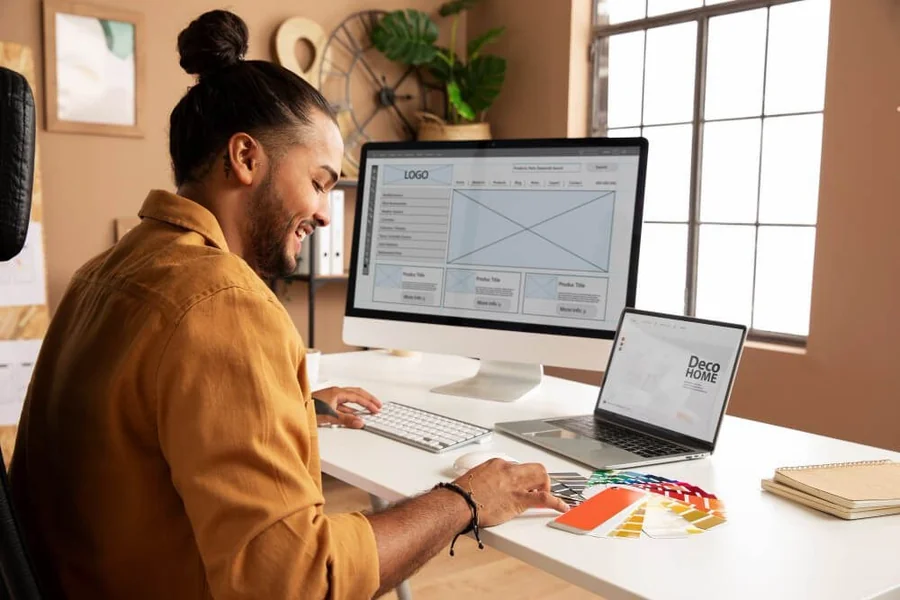
Choosing a brand design tool can feel a lot like standing in the cereal aisle at the grocery store—too many options, all promising great results, and very little clarity on what you actually need. For founders, marketers, and creators, this decision matters more than it seems. The right tool can make branding feel empowering and educational. The wrong one can turn every design task into a chore.
Before you commit to a platform, it’s worth slowing down and asking a few key questions.
Start With Your Real Goal (Not the Features List)
Most people begin by comparing features: templates, fonts, exports, integrations. While those matter, they’re not the best starting point. Instead, ask yourself what you want to learn and achieve with the tool.
Are you building a brand from scratch? Refreshing an outdated look? Or creating assets quickly for social media and presentations? A freelancer building a personal brand will need something very different from a growing team managing multiple campaigns. When your goal is clear, the “right” features become easier to spot.
Ease of Use Is Not a Bonus—It’s Essential
A design tool should lower friction, not add to it. If you need a tutorial just to place text or adjust colors, that’s a sign the tool may slow you down over time. The best platforms guide you intuitively while still allowing room to grow.
Ease of use also affects learning. When a tool is approachable, users are more likely to experiment ตามพัสดุ. And experimentation is where real understanding happens. You start to see why certain layouts feel balanced or why some color combinations work better than others.
Look for Smart Guidance, Not Just Automation
AI-powered tools are everywhere, but not all AI is created equal. Some platforms simply automate tasks without explaining why choices are made. Others provide intelligent suggestions that help users learn design principles along the way.
This difference matters. A good brand design tool should act like a quiet mentor—offering helpful starting points while letting you stay in control. For example, tools like the Adobe Express free AI logo creator suggest design directions based on your inputs, while still allowing customization that reflects your brand’s personality.
Flexibility Matters More Than Perfection
Your brand will evolve. A design tool that locks you into rigid templates may feel efficient at first, but frustrating later. Look for platforms that allow flexibility as your needs change—whether that’s adjusting a logo, expanding a color palette, or creating new assets without starting from scratch.
This flexibility supports long-term learning. As your understanding of branding improves, you won’t outgrow the tool. Instead, it grows with you.
Collaboration and Consistency Are Key
If you’re working with a team—or plan to—consider how the tool handles collaboration. Can multiple people access brand assets? Are there shared styles or brand kits? Consistency across visuals is one of the fastest ways to build trust, and the right tool makes this easier to maintain.
Even solo creators benefit from consistency. Having everything in one place reduces decision fatigue and speeds up daily work.
Cost Should Match Value, Not Hype
Finally, think about pricing realistically. Expensive doesn’t always mean better, and free doesn’t always mean limited. Consider what you’re actually paying for: time saved, confidence gained, and skills learned.
A tool that helps you understand branding and apply it confidently can offer far more value than one packed with flashy features you rarely use trend2wear.
A Thoughtful Choice Pays Off
Choosing a brand design tool isn’t just a technical decision—it’s a learning investment. The right platform helps you build skills, not just visuals. It makes branding feel less intimidating and more creative, even if you’re starting from zero.
Before committing, test a few options, reflect on how they make you feel while using them, and choose the one that supports both your brand and your growth. That’s where the real return on investment lives.
