
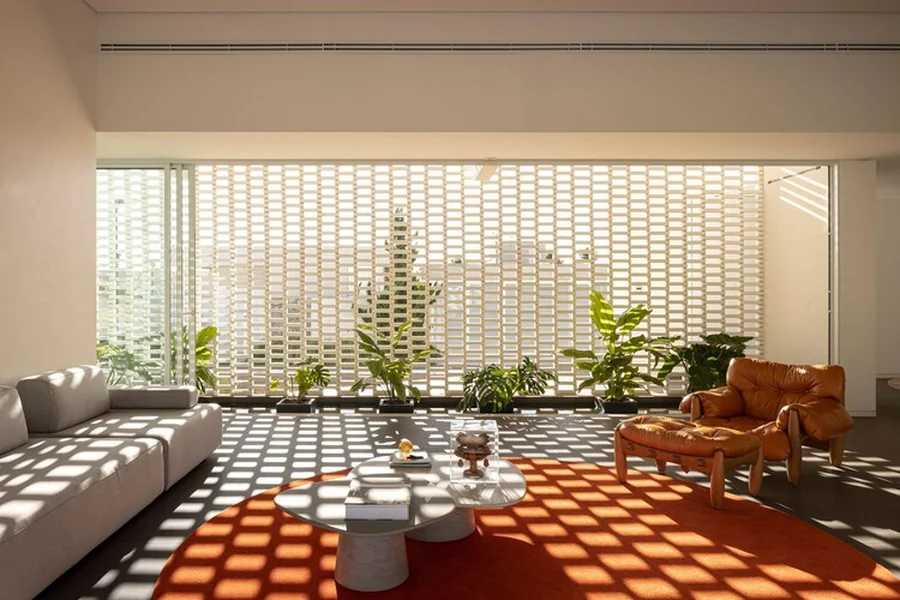
Natural light and airflow are essential elements in designing and constructing homes that feel comfortable, healthy, and inviting. Properly planned lighting and ventilation do more than just brighten a room or allow air to circulate; they significantly influence energy efficiency, indoor air quality, and even the overall mood of the occupants. Sunlight can provide warmth during colder months and reduce reliance on artificial lighting, while fresh air movement helps prevent mold, condensation, and unpleasant odors. Incorporating these features thoughtfully during the construction phase ensures a home that not only looks appealing but also functions efficiently for years to come.
Key Benefits of Light and Airflow
1. Enhancing Comfort Through Light and Air
Maximizing natural light and ventilation can dramatically transform living spaces, creating an environment that promotes well-being and productivity. Sunlight penetrates rooms, highlighting architectural features and contributing to a sense of spaciousness, while strategically positioned windows allow cool breezes to flow freely, reducing indoor heat during the summer months. This balance of light and air is particularly important for areas where families spend the most time, such as living rooms and kitchens.
Custom Home Building often incorporates these elements from the outset, ensuring that rooms receive optimal daylight and airflow throughout the day. Careful orientation of windows, skylights, and ventilation pathways helps homes maintain comfortable temperatures and minimize reliance on artificial lighting and mechanical cooling, significantly reducing energy costs while enhancing indoor comfort.
2. Health Benefits of Proper Ventilation and Daylight
Exposure to natural light and adequate airflow has direct effects on human health, influencing circadian rhythms, mood, and respiratory well-being. Sunlight helps regulate sleep patterns by signaling the body when to produce melatonin and serotonin, which in turn affect energy levels and emotional balance. On the other hand, insufficient ventilation can lead to a buildup of indoor pollutants, allergens, and humidity, increasing the risk of respiratory issues and creating conditions conducive to mold growth.
In homes where windows, vents, and skylights are thoughtfully positioned, air circulates efficiently, helping to remove pollutants and maintain a fresher indoor environment. Architects and builders who focus on these aspects ensure that residents enjoy both physical and psychological benefits, creating spaces where inhabitants feel naturally invigorated and at ease without depending excessively on artificial environmental controls.
While architectural choices like window placement and cross-ventilation are fundamental to a home’s health, they often work in tandem with mechanical systems during extreme weather. In regions where humidity and heat fluctuate significantly, maintaining a consistent indoor environment requires more than just passive airflow. Integrating efficient Huntsville Air Conditioning alongside natural vents ensures that air quality remains high even when windows must stay closed. This balanced approach prevents moisture buildup and mold growth, which are common risks in tightly sealed modern constructions. By coordinating these cooling strategies, homeowners can achieve a resilient living space that prioritizes both thermal comfort and long-term structural integrity.
3. Energy Efficiency and Environmental Considerations
Incorporating natural light and ventilation into home construction also plays a critical role in sustainability. Homes designed to harness sunlight during winter months can reduce heating costs, while allowing cool air to circulate in warmer months minimizes reliance on air conditioning. Thoughtful window placement and ventilation strategies reduce energy consumption, which is beneficial for both household budgets and the environment.
Additionally, natural lighting reduces the need for electric illumination during daylight hours, while passive airflow strategies can limit the need for mechanical fans or complex climate control systems. By prioritizing these elements, construction projects contribute to long-term energy savings and a smaller ecological footprint, promoting environmentally responsible living.
Achieving a balance between environmental connection and indoor climate control requires a nuanced understanding of how air moves through different architectural volumes. While passive strategies like cross-ventilation significantly reduce the thermal load on a building, there are times when the external environment becomes too demanding for natural airflow alone. During peak summer months, residents often rely on professional maintenance from Vic’s Air Conditioning to ensure that their mechanical systems complement these architectural features without sacrificing energy efficiency. Integrating these modern climate solutions allows a home to remain a sanctuary of comfort, even when the outdoor air is stagnant. This layered approach to residential design ensures that the living experience remains seamless and restorative regardless of seasonal shifts.
4. Design Strategies for Effective Light and Airflow
Successful integration of natural light and ventilation requires careful attention to building orientation, window placement, and room layout. South-facing windows often capture the most sunlight, while openings on opposite walls enable cross-ventilation, drawing fresh air through the home. High ceilings and open floor plans can enhance airflow, preventing stagnant pockets of air and ensuring even temperature distribution. Skylights and clerestory windows introduce daylight to areas that may otherwise remain dim, reducing reliance on electric lighting and enhancing visual appeal.
Beyond structural considerations, interior design elements such as light-colored walls, reflective surfaces, and unobstructed pathways for airflow can further amplify the benefits of natural light and ventilation, making homes both functional and aesthetically pleasing.
5. Addressing Challenges in Home Construction
While natural light and ventilation are highly desirable, they present certain challenges during construction. Excessive sunlight can lead to glare and overheating, particularly in regions with intense summer sun. Inadequate planning of windows or vents may result in uneven airflow, reducing comfort and increasing dependence on heating or cooling systems. Builders must carefully assess climate patterns, sun orientation, and prevailing winds when designing homes to achieve the ideal balance of light and air.
Employing adjustable shading devices, operable windows, and vents allows homeowners to manage sunlight exposure and airflow with seasonal changes, ensuring homes remain comfortable year-round without compromising energy efficiency.
6 .Integrating Aesthetic and Functional Benefits
In addition to practical advantages, natural light and ventilation contribute to the aesthetic appeal of a home. Light-filled spaces appear larger and more inviting, while well-ventilated rooms feel airy and less confined. Interior spaces illuminated by natural light tend to highlight textures, colors, and architectural details more effectively than artificial lighting. Fresh air circulation can carry subtle outdoor scents, enhancing sensory experiences within the home. Designers often combine these functional benefits with visual considerations, creating spaces that are not only healthier and more energy-efficient but also inspiring to live in.
This synergy between utility and beauty underscores the importance of considering light and ventilation at the earliest stages of home construction.
7. Long-Term Value and Maintenance Considerations
Homes with ample natural light and effective ventilation often retain higher value due to their comfort, health benefits, and energy efficiency. Proper airflow reduces the risk of moisture accumulation, mold growth, and structural damage, lowering long-term maintenance needs. Light-filled homes also tend to attract buyers who appreciate both the environmental and aesthetic advantages of natural illumination.
Maintenance considerations include regular cleaning of windows and vents, ensuring unobstructed airflow, and monitoring for leaks or drafts that can compromise energy efficiency. Homeowners who prioritize these elements from the construction phase are rewarded with durable, low-maintenance residences that remain pleasant to inhabit and retain their market appeal over time.
8. Customization for Individual Needs
Every household has unique requirements for lighting and airflow, which makes flexibility in design essential. Some rooms may benefit from bright, direct sunlight, while others require softer, diffused light for activities such as sleeping or working. Ventilation needs may vary depending on the room’s function, occupancy, and local climate.
Home construction that allows for adjustable window coverings, vents, and skylights enables homeowners to tailor their environments for comfort and efficiency. Integrating natural light and ventilation as customizable features ensures that each room serves its intended purpose while maintaining a consistent sense of well-being throughout the home.
9. Future-Proofing Homes with Natural Design
Planning for natural light and ventilation is a forward-thinking strategy that anticipates evolving energy needs and lifestyle patterns. Homes that maximize these elements are better prepared for rising energy costs, climate variations, and shifts in occupant behavior. Designing spaces to capture daylight and facilitate airflow contributes to resilience in the face of changing weather patterns or energy availability. Moreover, these considerations encourage occupants to maintain healthier living habits, including increased exposure to sunlight and fresh air.
Homes that embrace these principles demonstrate how thoughtful design can merge functionality, comfort, and sustainability, creating living spaces that remain relevant and enjoyable for decades.
Natural light and ventilation are fundamental components of home construction that affect health, comfort, energy efficiency, and long-term value. Thoughtful integration of sunlight and airflow enhances indoor environments, supports well-being, and reduces reliance on artificial systems. By carefully considering window orientation, ventilation pathways, and room layout, builders create homes that feel spacious, inviting, and environmentally responsible. Attention to these elements also contributes to aesthetic appeal, maintenance efficiency, and adaptability for individual household needs. Homes designed with natural light and ventilation in mind provide lasting benefits for residents and serve as an enduring testament to thoughtful, sustainable construction practices.
