
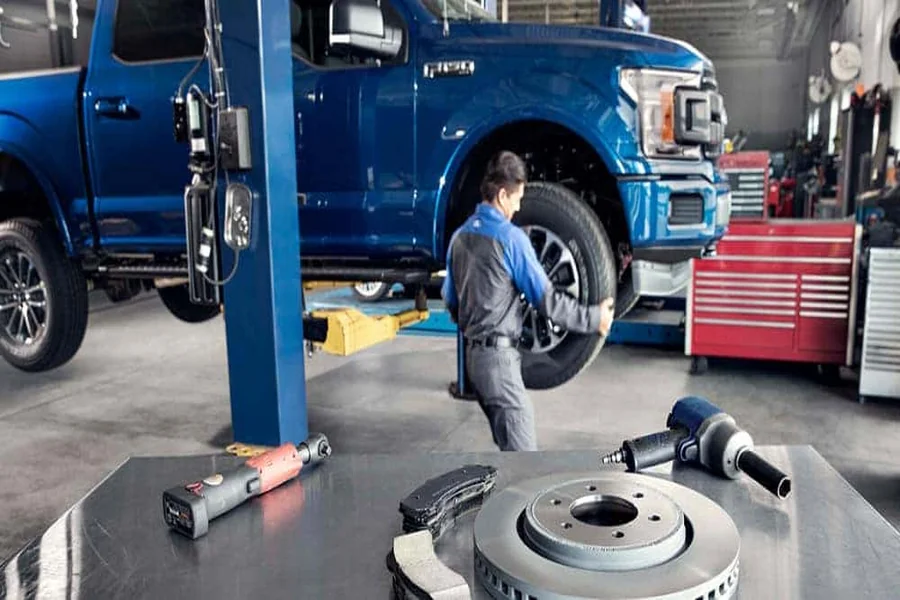
Dealers offering vehicle pickup and delivery services have developed structured systems to ensure convenience, efficiency, and customer satisfaction. For Ford owners, this service allows maintenance and repair needs to be handled without physically visiting the dealership. Instead, trained drivers collect the vehicle, transport it to the service center, and return it once work is completed. Behind this simple customer experience is a coordinated logistics process involving scheduling platforms, route planning, vehicle tracking, and communication systems. We will explore how Ford dealers organize these operations from initial booking to final drop-off. The process requires precise timing, clear coordination between departments, and strict attention to vehicle safety. Each step is designed to reduce delays, maintain service quality, and ensure customers remain informed throughout the process, whether their vehicle is in transit or under service.
Operational Workflow Behind Ford Pickup and Delivery Services
-
Scheduling and Service Request Coordination
The process begins when a customer requests pickup and delivery service through a dealership’s booking system, phone line, or online portal. At this stage, service advisors verify vehicle details, customer location, preferred timing, and the type of maintenance required. The scheduling system then assigns a pickup window based on technician availability, driver routes, and workshop capacity. Dealers often use integrated software that aligns service appointments with logistics planning to avoid congestion at the service center.
This coordination ensures that vehicles arrive in a controlled flow rather than in unpredictable clusters, which is especially important for maintaining efficiency in Ford service with pickup and delivery. Once confirmed, the system generates a work order that links the pickup task with the service job. Customers receive confirmation messages with estimated pickup and return times. This early stage is critical because inaccurate scheduling can disrupt the entire workflow, leading to delays in both transport and servicing operations. Careful planning at this point sets the foundation for efficient execution throughout the rest of the process.
-
Route Planning and Driver Assignment
After scheduling, the logistics team assigns a driver and plans the most efficient route for vehicle collection. Dealers typically rely on mapping software that considers traffic conditions, the distance between multiple pickups, and estimated service durations. The goal is to group nearby pickups together to reduce fuel consumption and travel time. Drivers may be assigned multiple vehicles in a single trip, depending on geographic clustering. Each route is optimized dynamically, especially in urban areas where traffic patterns change frequently.
Drivers receive detailed instructions, including pickup addresses, customer notes, and vehicle identification details. In many dealership systems, real-time updates enable adjustments when a customer reschedules or when delays occur. Route planning is not only about speed but also about reliability and safety, ensuring that vehicles are transported securely and on time. This stage plays a significant role in controlling operational costs while maintaining a smooth and predictable service experience for customers.
-
Vehicle Pickup Inspection and Documentation
When the driver arrives at the customer’s location, a structured inspection process begins before the vehicle is loaded for transport. The driver records the vehicle’s exterior condition, noting any visible scratches, dents, or existing damage. This documentation is often supported by digital tools that allow photos to be uploaded instantly into the dealership system. The customer may also sign a digital authorization confirming the handover of the vehicle. This step ensures transparency and protects both the dealership and the customer from disputes regarding pre-existing conditions. In addition to physical inspection, basic operational checks, such as recording mileage and assessing fuel levels, are completed. Once documentation is finalized, the vehicle is securely loaded or driven to the dealership, depending on the service model. This process is designed to maintain accountability and ensure that every vehicle is accurately tracked from the moment it leaves the customer’s possession until it returns after service.
-
Workshop Intake and Service Integration
After arrival at the dealership, the vehicle enters the workshop intake phase, where service advisors review the work order and confirm required maintenance tasks. The pickup and delivery logistics system is integrated with the service management platform, enabling seamless information transfer. Technicians are assigned based on workload distribution and skill alignment with the required repairs or inspections. The vehicle is then queued for service based on priority and appointment time.
During this phase, internal communication ensures that any additional issues discovered during inspection are reported to the customer for approval before extra work is performed. This integration between logistics and workshop operations prevents delays and reduces miscommunication. Efficient intake management also helps dealerships maintain a steady workflow within the service center, avoiding bottlenecks and ensuring that vehicles move through diagnostic, repair, and quality control stages in an organized manner.
Ford pickup and delivery logistics rely on a structured system that connects scheduling, transportation, workshop operations, and customer communication into one coordinated workflow. Each stage, from initial booking to final drop-off, is carefully managed to ensure efficiency and transparency. Dealers use digital tools, route optimization systems, and real-time communication channels to reduce delays and improve accuracy. The integration between logistics and service departments allows vehicles to move smoothly through inspection, repair, and return phases without unnecessary disruption. This model not only improves operational control within the dealership but also enhances convenience for customers who prefer remote service options. As service expectations continue to evolve, such logistics systems play an increasingly important role in maintaining reliability, efficiency, and consistent service quality across Ford dealership operations.
