
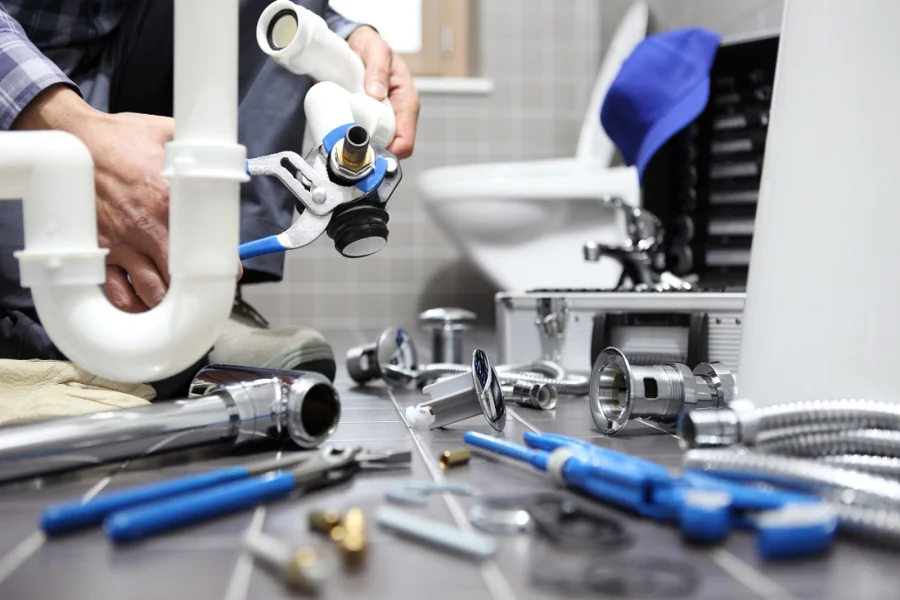
Old plumbing lines rarely fail all at once. They wear out in stages, creating leaks, pressure problems, recurring clogs, and repair bills that seem manageable until the pattern becomes impossible to ignore. That is why line replacement decisions are often delayed too long or rushed without enough planning.
For property managers, facility managers, and building owners, replacing old plumbing lines is not just a repair decision. It is an operational one. The scope affects tenant disruption, wall access, water quality, future maintenance costs, and the property’s ability to function confidently over the next several years. Before moving forward, owners need to understand the system’s condition, what the replacement actually involves, and whether the project is being planned as a long-term solution rather than a reaction to the latest leak.
Beyond the immediate financial outlay, property owners must account for the logistical challenges that arise when main lines are inaccessible or buried beneath established landscaping. While trenchless technologies offer a less invasive alternative, some scenarios still necessitate traditional excavation to address severe misalignments or systemic collapses. Coordinating with a skilled team like Rancho Palos Verdes Plumbing and Air Pros ensures that these technical nuances are managed with precision, minimizing the risk of secondary damage to the surrounding structure. Every site presents unique soil conditions and architectural constraints that influence the choice of materials. Taking the time to evaluate these variables prevents recurring failures and secures the long-term reliability of the property’s entire water distribution network.
Why Full Context Matters First
-
Repeated Repairs Usually Signal More
One isolated pipe issue does not automatically justify line replacement. But when the same property experiences multiple leaks, unstable pressure, recurring drain problems, or repeated failures in nearby sections, the conversation changes. At that point, the plumbing system is no longer dealing with a single weak point. It is showing a broader loss of reliability.
That pattern matters because many older systems appear serviceable right up until their maintenance history is honestly reviewed. A line that has needed three repairs in two years may still technically function, but it is no longer performing like a stable asset. Property owners should look at the trend, not just the latest invoice. Recurring problems often indicate the line is wearing out as a whole, even if each visible failure occurs in a different location.
-
Looking Beyond The Latest Leak
A contractor familiar with Pasadena, MD, Plumbing Services knows that owners often begin asking about replacement after one visible problem finally crosses a cost threshold. But the visible leak is usually only the event that forces the decision, not the reason the decision became necessary. A strong planning process starts with a review of the line’s full condition, its repair history, the pipe material, and how the system has performed under normal building use.
This matters because replacement should be driven by system condition, not by frustration alone. A good contractor helps determine whether the issue is isolated, whether the surrounding piping is still dependable, and whether a partial replacement would only postpone a larger project. Without that context, owners risk approving work that feels decisive but fails to address the real extent of the decline.
-
Pipe Material Changes The Strategy
Before replacing old plumbing lines, owners need to understand what material is currently in place and how that material tends to fail. Galvanized steel often corrodes internally and loses flow capacity over time. Older copper may develop pinhole leaks or wear at vulnerable sections. Cast iron drain lines can weaken, scale internally, or crack after decades of service. Mixed-material systems may create added complications at transition points and repair locations.
This affects more than the diagnosis. It shapes how the replacement should be approached. Different materials require different access methods, joining techniques, support conditions, and long-term expectations. Owners should not treat “old plumbing” as one uniform category. The real question is what type of system is in the building now, how it has been aging, and whether the replacement plan is matched to those conditions.
Beyond the obvious physical degradation of pipes, navigating the logistics of a full-scale replacement requires a comprehensive understanding of regional infrastructure and local permit requirements. Property owners often find that reviewing specific service information helps them better prepare for the necessary disruptions and timeline associated with modernizing their plumbing systems. This strategic planning phase ensures that the transition to more durable materials, such as PEX or copper, occurs without unforeseen structural complications or extended utility outages. By aligning these upgrades with professional diagnostic findings, you can effectively eliminate long-term risks associated with internal corrosion and ensure a more reliable water distribution network for your entire household.
Maintaining a property involves more than just addressing the immediate visible repairs; it requires a strategic approach to the underlying infrastructure that keeps a home functional. While updating pipe materials or rerouting lines are standard steps in a plumbing overhaul, savvy owners recognize that many critical systems are interconnected. For instance, high humidity from local weather can strain drainage and ventilation, making it useful to locate ac repair near me to ensure the entire environment remains balanced and moisture-free. Neglecting these auxiliary components during major renovations can lead to persistent dampness or inefficient climate control, ultimately compromising the longevity of new installations and the overall value of the building.
-
Scope Should Match Actual Risk
One of the most important questions before replacing old plumbing lines is how much of the system truly needs to be replaced. In some cases, the answer is a targeted section where age and failure patterns are clearly concentrated. In others, replacing only one area makes little sense because the surrounding lines are already showing similar decline. A limited project can save money upfront, but it can also leave the property exposed to repeat access costs and future service disruptions.
This is where owners need a clear explanation of the scope. Are they replacing one branch, one riser, one horizontal run, or a broader portion of the building’s distribution system? Is the project designed to stop the current failures or to reduce ongoing plumbing risk across the property? Those are not the same goal. The right scope depends on the condition, access, and the level of confidence the owner expects after the work is complete.
Strong Planning Protects The Investment
Before replacing old plumbing lines, property owners should understand that the project is not only about fixing what failed. It is about deciding how much risk remains in the existing system, how much access the building can tolerate, what material should replace the old piping, and how the work will affect operations during and after the project. Those questions shape whether the replacement becomes a lasting improvement or just the next chapter in a repeating repair cycle.
For building owners and managers, the practical goal is clear. A plumbing line replacement should reduce uncertainty, not simply shift it to a nearby section of pipe. When the project is based on full system condition, realistic access planning, and long-term performance, it becomes far easier to justify the disruption and cost. That is what turns replacement from a reactive expense into a durable property decision.
