
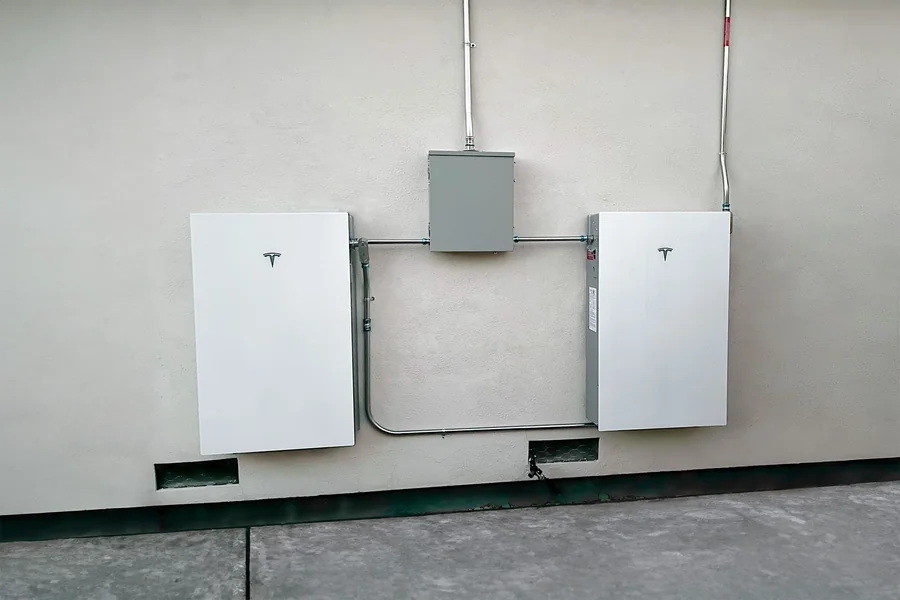
Backup power decisions often go wrong before equipment is ever installed. Too many properties either overbuy for scenarios they are unlikely to face or underprepare for outages that shut down revenue, tenant comfort, security systems, and basic building operations. The problem is not a lack of options. It is choosing a strategy without first defining what the property actually needs to keep running.
For property managers, facility managers, and building owners, backup power is not just about having electricity during an outage. It is about deciding which systems matter most, how long they need to stay online, what level of automation is required, and how the power solution fits the site. A company that approaches this properly helps owners move from vague concern to a practical plan built around the property’s real operating risks.
Where Practical Planning Begins
-
Backup Power Starts With Priorities
The first step in choosing the right backup power strategy is identifying what the property cannot afford to lose. For some buildings, that means emergency lighting, fire and life safety systems, access control, and security equipment. For others, it may include refrigeration, tenant technology, medical equipment, elevators, sump pumps, data systems, or revenue-producing operations. Without that priority list, the conversation about generators, battery systems, or transfer equipment becomes too broad to be useful.
That is why the early planning stage matters so much. A property owner may think they need full-building backup when the real need is keeping a smaller group of essential loads online. Another owner may assume a small solution is enough until a review shows how many systems must restart automatically after an outage. Defining critical loads is what turns backup power from a product search into an operational decision.
-
Matching The Strategy To The Property
A company like Select Power helps property owners by narrowing the discussion of backup power to the conditions the property actually faces. That usually starts with questions about outage frequency, building use, tenant expectations, operational risk, and which systems create the greatest disruption if power drops unexpectedly. Those answers are more useful than broad assumptions because they show whether the owner needs whole-building coverage, partial backup, short-duration support, or a more layered approach.
This kind of planning prevents a common mistake: selecting equipment based on nameplate size or marketing language rather than on site function. The right strategy depends on how the building operates during normal conditions and what has to happen during an outage. If the wrong loads are prioritized or the runtime expectations are unrealistic, even expensive backup equipment can leave the property underprepared when it matters most.
-
Load Analysis Shapes Every Decision
A serious backup power strategy begins with load evaluation. Property owners often think in terms of square footage or building type, but backup power planning depends more directly on electrical demand. Which circuits need support? Which systems can be shed temporarily? Which loads cycle on and off, and which require steady service the moment utility power fails? These questions affect generator sizing, battery capacity, transfer requirements, and overall system design.
This stage matters because not every load should be treated the same way. Some systems must start immediately, while others can wait. Some loads create large startup demand even if their running load seems modest. Others can be managed strategically to reduce the size of the required backup system. A strong planning process looks at actual electrical behavior, not just a list of desired equipment. That is how the strategy stays grounded in building performance rather than wishful thinking.
-
Runtime Expectations Need To Be Realistic
Choosing backup power is not only about what needs power. It is also about how long that power needs to last. A short utility interruption may only require brief bridging support or automatic standby generation. Longer outages may push owners toward larger fuel reserves, more robust generator planning, or battery systems designed for controlled load support rather than whole-property continuity. If runtime assumptions are vague, the entire strategy becomes unstable.
This is where many owners benefit from practical guidance. A building that can function with a few critical systems for several hours has very different needs from one that must support overnight occupancy, continuous security, or uninterrupted business operations for days. The planning process has to separate inconvenience from actual operational risk. Once the expected outage duration is defined honestly, the backup power approach becomes much easier to size and justify.
The Right Strategy Comes From Clarity
Select Power helps property owners choose the right backup power strategy by turning a broad concern into a practical site-specific plan. That means identifying critical loads, defining runtime expectations, evaluating response requirements, reviewing site limitations, and matching the system to the property’s actual risk profile. The process matters because backup power only creates value when it supports how the building actually operates.
For property managers and owners, that clarity is what prevents costly misalignment. A backup solution should not be selected just because it sounds comprehensive or affordable on paper. It should be chosen because it protects the systems that matter, fits the property, and responds the way the site needs during an outage. When the strategy is built that carefully, backup power becomes more than equipment. It becomes a dependable part of building operations.
