
Rethinking Materials: From Reclaimed To Regenerative
Eco-friendly home décor is moving well beyond basic recycling, with deeper attention now paid to how materials are sourced, processed, and finished. Modern homeowners are prioritizing renewable, non-toxic, and carefully sourced materials. Reclaimed wood, recycled metals, and upcycled fabrics are not only reducing the demand for new resources, but also infusing home interiors with character and history. The trend extends to natural and plant-based paint finishes, low-VOC sealants, and adhesives that help enhance indoor air quality.
Rapidly renewable resources such as bamboo, cork, and agricultural by-products are gaining traction; these products offer the strength and style of traditional hardwoods with a much lower environmental impact. Designers also consider the lifecycle of every element used, ensuring that what goes into a space serves both form and function while preserving health—of both residents and the wider environment.
Biophilic Design And The Rise Of Indoor Ecosystems
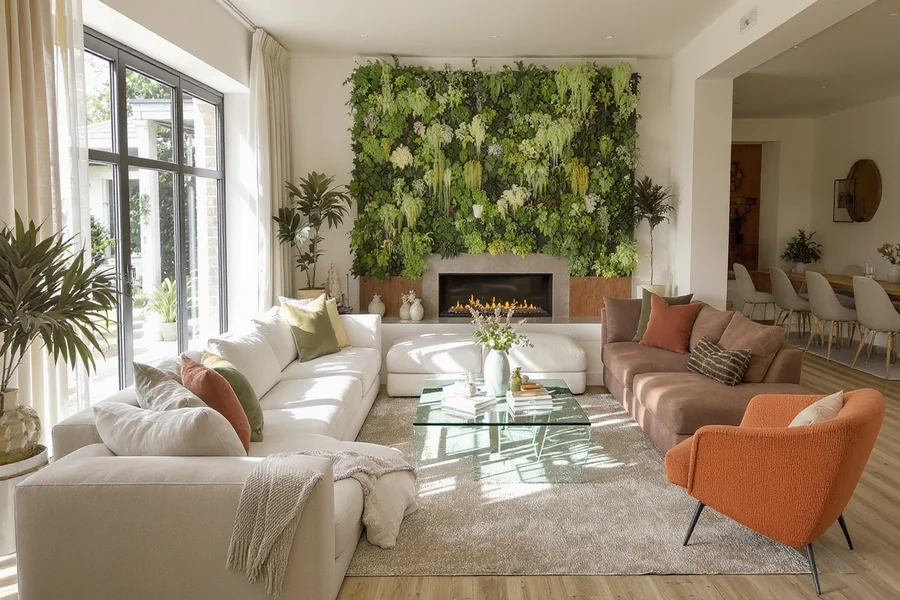
Rather than treating plants as optional accessories, emerging décor choices are weaving biophilic design into the very fabric of the modern home. This approach brings greenery, sunlight, and organic elements into living spaces in a deliberate and harmonious way. Living walls, indoor trees, and kitchen herb gardens are no longer rare features but increasingly mainstream. Thoughtful plant placement not only enlivens rooms but also helps purify the air and foster a sense of well-being.
As households become more interested in supporting thriving indoor ecosystems, they are seeking out guidance for working with native species, maintaining plant health, and designing with sustainability top of mind. This focus goes hand-in-hand with the broader goal of creating soothing, restorative environments—even in compact urban settings—by tapping into the natural world as a daily presence indoors.
Circular Design, Multi-Use Pieces And Mindful Consumption
The concept of circular design has become central to eco-friendly home décor. Instead of buying disposable or easily dated pieces, many are now investing in furnishings designed for longevity—modular shelving, tables that transition between work and leisure, and seating that can be reupholstered or adapted as needs change. This approach values craftsmanship and versatility, encouraging personalized interiors that blend vintage and contemporary elements. It’s a move away from homogeneity and waste, and towards layered, meaningful design stories.
Shopping with intention is likewise on the rise. Rather than buying more, consumers are prioritizing quality over quantity, investing in objects they can repair or adapt as trends and life circumstances change. This ethos not only limits landfill waste but also supports the creation of durable, timeless settings that can gracefully evolve with their occupants.
Low-Impact Finishes, Textiles And Everyday Décor Choices
Eco-friendly changes in home décor increasingly focus on everyday materials and finishes. Sustainable textiles—such as organic cotton, linen, hemp, and wool—are favoured for their durability and environmental credentials, offering a soft, inviting texture without reliance on synthetics. Paints, stains, and sealants, too, are shifting towards low-impact options like limewash and clay plaster, which skip harsh chemicals in favour of simple, natural ingredients that support healthier living.
There’s a growing understanding that meaningful change often comes incrementally. Homeowners are making subtle but impactful swaps, such as:
-
Trading synthetic throws and cushion covers for those made with natural fibres
-
Replacing plastic storage containers with glass, bamboo, or metal versions
-
Selecting lighting fixtures designed for repair as well as style
-
Choosing neutral, timeless color palettes that stay relevant longer
Resources like fauxnatural.com offer inspiration and guidance for those looking to introduce earth-conscious elements without overwhelming their spaces. Practicing sustainability in décor is becoming a process of steady, mindful updates—small steps that collectively lead to healthier, more enduring homes.
