
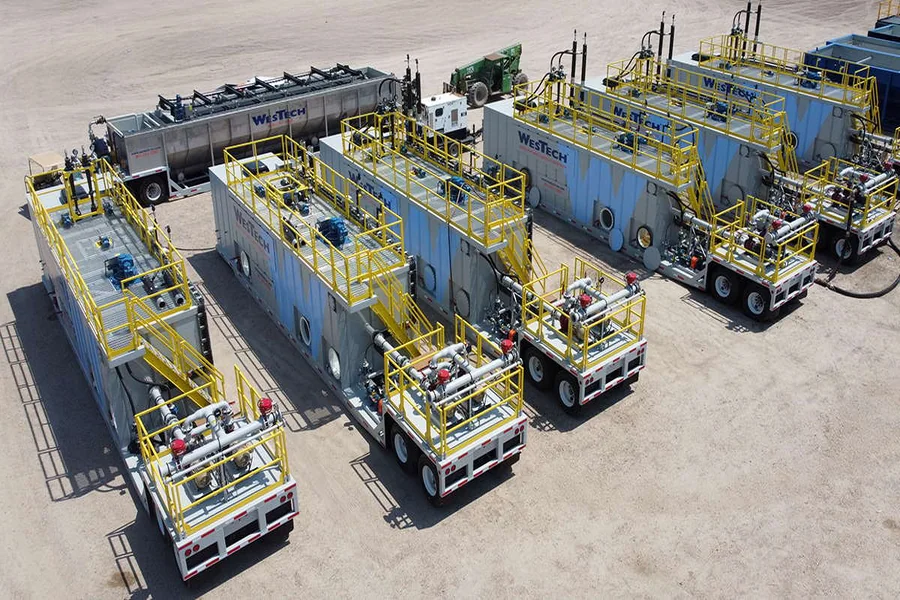
When an emergency disrupts water quality or supply, time becomes one of the most important factors in protecting people, facilities, and surrounding infrastructure. Flooding, industrial accidents, storm damage, equipment failures, and contamination events can quickly turn a routine system into a public health concern or an operational crisis. In these moments, waiting for permanent plant upgrades or long construction timelines is rarely practical. Mobile water treatment systems are designed to respond under pressure by bringing treatment capability directly to the affected site. Their value comes from speed, flexibility, and the ability to restore safer water handling when fixed systems are damaged, overloaded, or temporarily unavailable.
Fast Deployment Matters Most
1. Built for Immediate Field Operation
Mobile water treatment systems provide rapid response because they are engineered for transportation, quick connection, and fast startup in unpredictable conditions. Unlike permanent treatment installations that require extensive site preparation, these units are typically mounted on trailers, skids, or containers, allowing them to be moved where needed with minimal delay. Once delivered, crews can connect them to existing water sources, storage systems, discharge points, or temporary distribution networks, requiring far less installation work than a fixed facility would. That mobility is critical in emergencies where roads may be compromised, utility conditions may be unstable, and the affected location may not have the time or space for traditional construction. These systems are often arranged with pumps, filtration stages, chemical feed options, membranes, controls, and monitoring tools already integrated into a compact format. That means the response team is not building a treatment process from scratch in the middle of a crisis. They are deploying a prepared treatment package designed to begin operating quickly. In an emergency, that difference can reduce downtime, limit service interruptions, and help contain the effects of contamination before the situation spreads further across a community or industrial site.
2. Flexible Treatment Helps Solve Changing Problems
Another reason these systems are effective in emergencies is that water conditions can change quickly, and the response must adapt just as fast. A flood event may introduce sediment, debris, organic matter, and microbial concerns all at once. An industrial spill may demand a different approach focused on chemical removal, pH control, or containment before water can be discharged or reused. Mobile systems are useful because they can often be configured for the immediate problem rather than forcing every emergency into the same treatment model. Operators may adjust filtration steps, treatment rates, chemical dosing, or polishing stages to match changing field conditions as new test data becomes available. This flexibility helps response teams stabilize water management even when source quality varies from hour to hour. For organizations that want to read more about waste water solutions, mobile treatment often shows how adaptable system design can support both short-term emergency action and broader recovery planning. Instead of waiting for a damaged plant to return to full operation, crews can use these mobile units to manage immediate treatment needs. At the same time, longer repair or restoration work continues in parallel, reducing operational disruption during a critical period.
3. They Reduce Pressure on Damaged Infrastructure
Mobile water treatment systems also provide rapid response by relieving pressure on infrastructure that may already be failing or overwhelmed. During an emergency, the problem is often larger than a single water source can address. Storage tanks may be compromised, pumps may be offline, treatment plants may be over capacity, or wastewater systems may be unable to process sudden surges. In those situations, a mobile unit serves as a temporary but highly practical layer of support. It can process incoming water before it reaches a stressed system, treat contaminated water for safer discharge, or provide temporary production capacity while repairs are underway. That role becomes especially important for hospitals, manufacturing sites, municipalities, and facilities that cannot afford long interruptions. A rapid response is not only about arrival speed. It is also about preventing a failing condition from becoming a wider shutdown. By treating water closer to the source of the problem, mobile systems can help isolate risk, maintain portions of operations, and create breathing room for engineers and emergency teams to make more durable corrections. This ability to support continuity while a crisis is still unfolding is one of the reasons mobile treatment has become such a practical tool in high-pressure situations.
Speed Depends on Preparation and Design
The speed of mobile water treatment in emergencies does not happen by accident. It comes from equipment design, transport readiness, operator training, and the ability to apply treatment processes in compact field-ready formats. These systems are valuable because they can arrive quickly, connect with limited delay, and begin addressing water quality challenges. At the same time, damage to infrastructure, contamination events, and service interruptions are still being assessed. Their flexibility allows teams to respond to various emergencies without relying entirely on permanent systems that may not be available when needed most. In critical situations, mobile treatment helps turn response efforts into immediate action and practical water control.
