
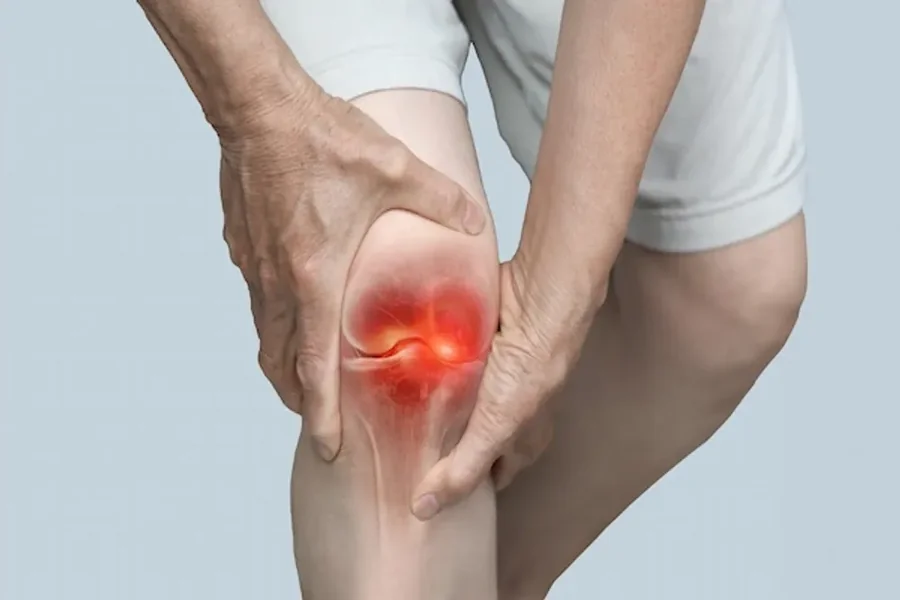
Early-stage knee osteoarthritis often begins with subtle discomfort that gradually interferes with daily routines, mobility, and overall quality of life. Many individuals assume that surgery is only necessary in advanced cases, yet medical guidance at earlier stages can significantly influence long-term outcomes. A knee-focused medical professional plays a central role in evaluating joint health, interpreting symptoms, and guiding patients through both non-surgical and surgical pathways when appropriate. Their involvement ensures that each step of care is carefully aligned with the patient’s condition, lifestyle, and future mobility goals, helping to prevent unnecessary deterioration while preserving joint function.
A Closer Look Ahead
Early Assessment and Diagnosis of Knee Osteoarthritis
In the early stages of osteoarthritis, symptoms can appear inconsistent, making proper diagnosis essential for effective management. A knee-focused doctor evaluates the patient through a combination of physical examinations, medical history reviews, and imaging techniques such as X-rays or MRI scans. These assessments help identify cartilage wear, inflammation, and structural changes within the joint that may not yet be severe but still require attention. The goal at this stage is not simply to confirm osteoarthritis but to understand its rate of progression and underlying causes.
By identifying contributing factors such as prior injuries, alignment issues, or repetitive strain, the doctor can create a more accurate picture of the condition. Early diagnosis allows for timely intervention, which can slow progression and reduce the likelihood of later invasive procedures. Patients benefit from a clearer understanding of their joint health, which empowers them to make informed decisions about treatment and lifestyle adjustments.
Determining When Surgical Intervention Becomes Relevant
While early-stage osteoarthritis is often managed with conservative methods, there are cases where surgical intervention may still be considered. A knee-focused physician evaluates whether symptoms persist despite non-surgical treatments such as physical therapy, medication, or lifestyle changes. Pain that limits mobility or interferes with work and daily life may indicate the need for a more direct approach. In some situations, minimally invasive procedures can address underlying mechanical issues before the condition worsens. This is where the guidance of a trained professional becomes essential, as they can determine whether surgery is appropriate or premature.
Patients seeking guidance from a knee specialist for surgery in Houston may encounter similar evaluation processes designed to balance caution with proactive care. The decision is never rushed; it is based on a careful assessment of risks, benefits, and long-term outcomes, ensuring that any surgical step aligns with the patient’s overall health and mobility goals.
Personalized Treatment Planning Before Surgery
Before considering surgical options, a knee-focused medical professional develops a tailored treatment plan to reduce symptoms and improve joint function. This plan may include targeted exercises to strengthen the muscles surrounding the knee, which can help stabilize the joint and reduce stress on damaged cartilage. Weight management strategies are often introduced, as excess weight can accelerate joint degeneration. Additionally, medications or injections may be used to control inflammation and alleviate pain.
The purpose of these interventions is not only to provide relief but also to delay or even eliminate the need for surgery. Each plan is customized to reflect the patient’s activity level, age, and overall health, ensuring that treatment remains practical and sustainable. By closely monitoring progress, the doctor can adjust the approach as needed, maintaining flexibility in care while prioritizing long-term joint preservation.
The Role of Minimally Invasive Procedures in Early Stages
When non-surgical methods do not provide sufficient relief, minimally invasive procedures may be considered as an intermediate step. These procedures are designed to address specific issues within the knee joint without the need for extensive surgery. Techniques such as arthroscopy allow the doctor to remove loose cartilage fragments, repair minor damage, or smooth rough surfaces within the joint. Because these procedures involve smaller incisions and shorter recovery times, they can be particularly beneficial for individuals in the early stages of osteoarthritis.
A knee-focused physician carefully evaluates whether such procedures are likely to provide meaningful improvement, taking into account the extent of joint damage and the patient’s overall condition. While these interventions are not a cure, they can help reduce symptoms and improve mobility, potentially delaying the need for more extensive surgical options. Patients often experience improved function and reduced discomfort, allowing them to maintain a more active lifestyle.
Preparing Patients for Surgical Decisions and Recovery
When surgery becomes a necessary consideration, preparation plays a crucial role in achieving positive outcomes. A knee-focused doctor ensures that patients fully understand the procedure, including its purpose, expected results, and potential risks. This preparation often involves pre-surgical conditioning, where patients engage in exercises to strengthen the muscles around the knee, improving their ability to recover afterward. Education is also a key component, as patients are guided through what to expect during the recovery period, including rehabilitation timelines and activity restrictions.
By setting realistic expectations, the doctor helps reduce anxiety and ensures that patients are mentally and physically ready for the process. Recovery planning is just as important as the surgery itself, as proper rehabilitation can significantly influence the success of the procedure. Through ongoing support and monitoring, the doctor helps patients regain mobility and return to their daily activities with improved joint function.
Long-Term Management and Preventing Disease Progression
Even after treatment or surgery, managing early-stage osteoarthritis requires a long-term commitment to joint health. A knee-focused physician continues to monitor the patient’s condition, adjusting treatment plans as needed to prevent further deterioration. This may involve ongoing physical therapy, lifestyle modifications, and periodic evaluations to assess joint function. Preventive strategies are emphasized, including maintaining a healthy weight, engaging in low-impact exercise, and avoiding activities that place excessive strain on the knee. The goal is to preserve joint function for as long as possible while minimizing pain and discomfort.
Understanding the role of a knee-focused medical professional in early-stage osteoarthritis highlights the importance of timely care and informed decision-making. From initial diagnosis to treatment planning and potential surgical intervention, their involvement ensures that each step is carefully tailored to the patient’s needs.
Early guidance can slow disease progression, improve quality of life, and reduce the likelihood of more invasive procedures later. By combining medical knowledge with personalized care, these professionals help patients navigate the complexities of osteoarthritis with confidence and clarity, supporting both immediate relief and long-term joint health.
