
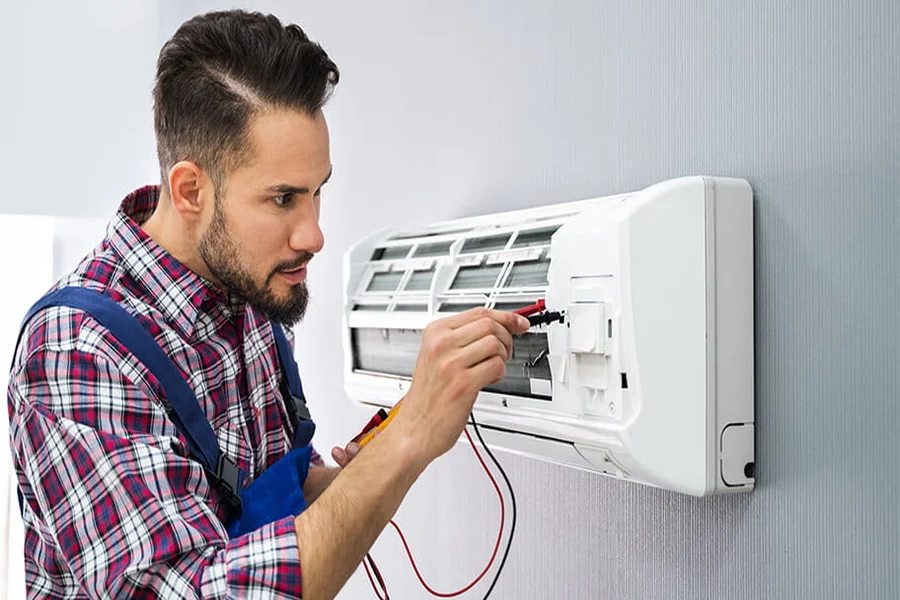
Air Conditioner Troubleshooting is essential for identifying and fixing common problems that affect cooling performance, energy efficiency, and overall system reliability. When an air conditioner stops working properly, it can quickly make indoor spaces uncomfortable, especially during hot weather. Understanding basic troubleshooting steps helps homeowners resolve minor issues before they turn into costly repairs.
Modern air conditioning systems are designed with advanced components, but they can still experience issues such as poor cooling, unusual noises, water leakage, or electrical faults. Many of these problems are simple to diagnose and fix with the right approach.
Learning how to troubleshoot an air conditioner not only saves time and money but also helps extend the lifespan of the system. It also ensures consistent comfort and better energy efficiency throughout the year.
This guide explains common AC problems, their causes, and practical solutions in a simple and easy-to-follow way.
Common Cooling Problems and Their Causes
One of the most frequent issues in air conditioning systems is poor or uneven cooling. This can happen for several reasons, and identifying the cause is the first step in effective troubleshooting.
Dirty air filters are a major cause of reduced cooling performance. When filters are clogged with dust, airflow becomes restricted, forcing the system to work harder.
Low refrigerant levels can also affect cooling efficiency. Without enough refrigerant, the system cannot absorb and release heat effectively.
Blocked vents or improper airflow inside the room may also lead to uneven cooling. Furniture placement or closed vents can restrict air circulation.
Faulty thermostats can cause incorrect temperature readings, leading to inconsistent cooling performance.
Regular maintenance and inspection help prevent these issues and ensure smooth operation of the air conditioner.
Electrical and Power-Related Issues
Electrical problems are another common reason for air conditioner malfunctions. These issues can prevent the system from starting or cause sudden shutdowns.
A tripped circuit breaker is often the simplest cause. Air conditioners draw significant power, and overloaded circuits may shut off automatically for safety.
Loose wiring or faulty connections can also interrupt power supply and affect system performance. These issues require careful inspection by a qualified technician.
Voltage fluctuations can damage internal components and reduce system lifespan. In areas with unstable electricity, voltage stabilizers may be necessary.
Remote control or thermostat battery issues can also prevent the system from responding properly.
Ensuring a stable and properly connected power supply is essential for reliable air conditioner operation.
Water Leakage and Drainage Problems
Water leakage is a common issue that often indicates a drainage problem within the air conditioning system.
Blocked drain pipes are a frequent cause. Over time, dust and debris can clog the drainage system, preventing proper water flow.
Improper installation or incorrect tilting of the indoor unit can also lead to water accumulation and leakage.
Frozen evaporator coils may cause excess water when the ice melts, leading to leakage inside the room.
High humidity levels can also increase condensation, contributing to drainage overload.
Regular cleaning of drain lines and proper installation help prevent these issues and ensure smooth water flow.
Strange Noises and Vibrations
Unusual noises coming from an air conditioner often indicate mechanical or installation-related issues.
Loose screws or components can cause rattling sounds during operation. Tightening these parts usually resolves the issue.
Fan blade obstructions may produce scraping or buzzing noises if debris gets stuck inside the unit.
Worn-out motor bearings can create grinding sounds, which may require professional repair or replacement.
Improper installation of indoor or outdoor units can also lead to excessive vibration and noise.
Identifying and addressing these issues early helps prevent further damage and ensures quieter operation.
Airflow and Performance Issues
Weak airflow is another common problem that affects cooling efficiency and comfort levels.
Clogged filters and blocked ducts are primary causes of restricted airflow. Cleaning or replacing filters can quickly improve performance.
Faulty blower fans may also reduce air circulation, requiring technical inspection.
Leaking or disconnected ductwork in central systems can cause cool air loss before it reaches rooms.
Incorrect fan speed settings or malfunctioning control systems can also impact airflow.
Maintaining clean components and proper system settings ensures strong and consistent airflow.
Maintenance and Preventive Troubleshooting
Preventive maintenance plays a key role in reducing the need for frequent troubleshooting.
Regular cleaning of filters, coils, and outdoor units helps maintain system efficiency and prevents common problems.
Scheduling professional servicing once or twice a year ensures that refrigerant levels, electrical components, and mechanical parts are in good condition.
Monitoring system performance helps detect early warning signs such as reduced cooling or unusual sounds.
Using the air conditioner responsibly, such as avoiding extreme temperature settings, reduces strain on the system.
Preventive care ensures long-term reliability and reduces the likelihood of unexpected breakdowns.
Final Thought
Air Conditioner Troubleshooting is an important skill that helps homeowners quickly identify and resolve common cooling issues. Many problems, such as poor airflow, water leakage, or electrical faults, can often be traced to simple causes like dirty filters or blocked drainage.
Understanding these issues allows users to take timely action, reducing repair costs and improving system performance. Regular maintenance and proper usage habits further minimize the need for troubleshooting.
While basic issues can often be handled at home, complex electrical or mechanical problems should always be addressed by professionals to ensure safety and efficiency.
Ultimately, effective troubleshooting combined with preventive care ensures a reliable, efficient, and long-lasting air conditioning system.
FAQs
What is Air Conditioner Troubleshooting?
Air Conditioner Troubleshooting is the process of identifying and fixing common AC problems to restore proper cooling and performance.
Why is my air conditioner not cooling properly?
It may be due to dirty filters, low refrigerant, blocked vents, or thermostat issues affecting performance.
What causes water leakage in an AC?
Water leakage is often caused by blocked drain pipes, frozen coils, or improper installation.
Why is my AC making strange noises?
Noises can be caused by loose parts, fan obstructions, or worn-out motor components.
How can I improve AC airflow?
Cleaning filters, checking ducts, and ensuring proper fan settings can improve airflow.
When should I call a technician for AC problems?
You should call a technician for electrical issues, refrigerant leaks, or persistent mechanical faults.
How can I prevent AC problems?
Regular maintenance, cleaning filters, and proper usage habits help prevent most air conditioner issues.
