
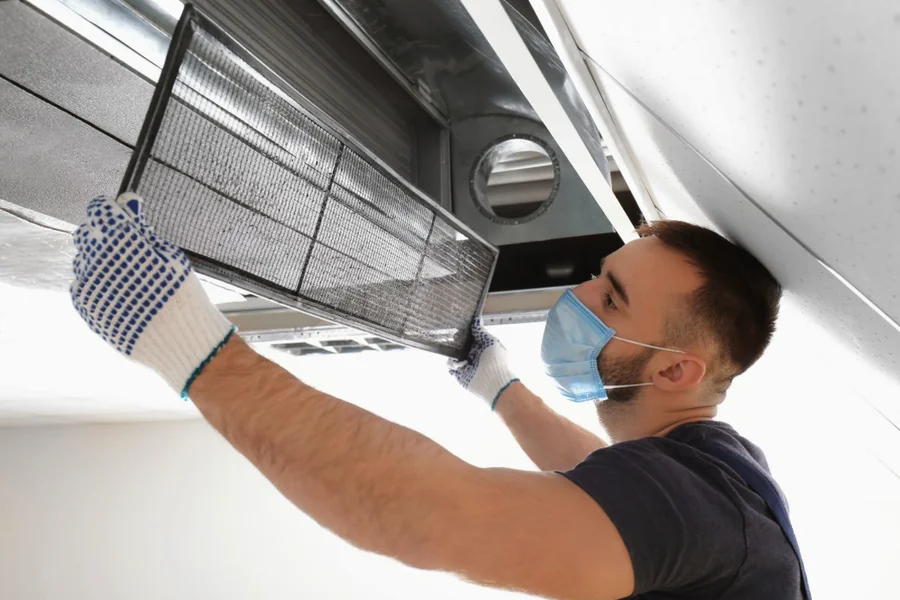
HVAC Filter Replacement is one of the simplest yet most important maintenance tasks for keeping your heating and cooling system efficient and your indoor air clean. Air filters are responsible for trapping dust, pollen, pet dander, and other airborne particles before they circulate through your home. Over time, these filters become clogged, reducing airflow and forcing the system to work harder.
A dirty filter not only affects air quality but also increases energy consumption and puts unnecessary strain on the HVAC system. This can lead to higher electricity bills and even premature system failure if ignored for too long.
Regular filter replacement ensures smooth airflow, better cooling and heating performance, and healthier indoor air. It is a small maintenance step that delivers significant long-term benefits for both comfort and system efficiency.
Understanding when and how to replace HVAC filters helps homeowners maintain a healthier and more cost-effective indoor environment.
Why HVAC Filter Replacement Is Important
HVAC filters play a crucial role in maintaining indoor air quality and system performance. Their primary function is to capture airborne particles before they enter the HVAC system and circulate through living spaces.
When filters become clogged, airflow is restricted, forcing the system to work harder to maintain the desired temperature. This leads to increased energy consumption and higher utility bills.
Dirty filters can also cause dust and allergens to circulate inside the home, negatively affecting indoor air quality. This can be particularly harmful for individuals with allergies, asthma, or other respiratory conditions.
In severe cases, neglected filters can lead to system overheating, reduced efficiency, and even damage to internal components such as the blower motor.
Regular filter replacement ensures cleaner air, better efficiency, and longer system life.
Types of HVAC Filters and Their Differences
There are several types of HVAC filters available, each offering different levels of filtration and performance.
Fiberglass filters are the most basic and affordable option. They capture large dust particles but are less effective at filtering smaller pollutants.
Pleated filters offer better filtration and are commonly used in residential systems. They can trap smaller particles and improve indoor air quality significantly.
HEPA filters provide the highest level of filtration, capturing extremely fine particles such as allergens and bacteria. However, not all HVAC systems are compatible with HEPA filters.
Washable filters are reusable and environmentally friendly. They require regular cleaning but can last for several years if maintained properly.
Activated carbon filters are designed to remove odors and gases, making them ideal for homes with pets or cooking-related smells.
Choosing the right filter depends on air quality needs, budget, and HVAC system compatibility.
How Often Should You Replace HVAC Filters
The frequency of HVAC Filter Replacement depends on several factors including filter type, usage, and indoor environment.
In general, standard filters should be replaced every 1 to 3 months. Homes with pets, smokers, or high dust levels may require more frequent replacement.
Pleated filters typically last longer than basic fiberglass filters, often up to 3 months under normal conditions.
Washable filters should be cleaned regularly, usually once a month, depending on usage.
During peak seasons such as summer and winter, when HVAC systems run more frequently, filters may need to be replaced more often.
Regular inspection of filters helps determine when replacement is needed, ensuring optimal system performance.
Signs That Your HVAC Filter Needs Replacement
There are several clear signs that indicate it is time to replace your HVAC filter.
Reduced airflow from vents is one of the most common indicators. A clogged filter restricts air movement, making the system less effective.
Increased energy bills can also signal a dirty filter, as the system uses more power to maintain temperature.
Visible dust buildup around vents and surfaces suggests that the filter is no longer effectively trapping particles.
Unusual odors coming from the HVAC system may also indicate a dirty or saturated filter.
Frequent system cycling or overheating can be another warning sign of restricted airflow.
Recognizing these signs early helps prevent system strain and improves overall efficiency.
Benefits of Regular HVAC Filter Replacement
Regular HVAC Filter Replacement offers numerous benefits for both system performance and indoor air quality.
One of the most important benefits is improved air quality. Clean filters effectively trap dust, allergens, and pollutants, creating a healthier living environment.
Energy efficiency is another major advantage. Clean filters allow smooth airflow, reducing the workload on the HVAC system and lowering electricity bills.
Regular replacement also extends the lifespan of the HVAC system by preventing strain on components such as fans and motors.
Consistent filter maintenance helps maintain stable temperature control and overall comfort in the home.
It also reduces the likelihood of costly repairs caused by clogged or damaged components.
Overall, regular filter replacement is a simple maintenance task that delivers long-term benefits.
Maintenance Tips for HVAC Filters
Proper maintenance of HVAC filters ensures consistent performance and efficiency.
Checking filters regularly, at least once a month, helps identify when replacement or cleaning is needed.
Keeping spare filters on hand ensures quick replacement when necessary, especially during peak usage seasons.
Ensuring proper installation of filters is important, as incorrectly placed filters can allow unfiltered air to bypass the system.
Vacuuming around vents and keeping indoor spaces clean reduces dust buildup on filters.
Scheduling professional HVAC maintenance helps ensure filters and other components are inspected and serviced properly.
Following these maintenance practices helps maximize system efficiency and air quality.
Final Thought
HVAC Filter Replacement is a simple yet essential task that significantly impacts indoor air quality, energy efficiency, and system longevity. Clean filters ensure smooth airflow, reduce strain on HVAC components, and help maintain a healthy living environment.
Neglecting filter replacement can lead to higher energy costs, poor air quality, and potential system damage. On the other hand, regular maintenance provides long-term savings and improved comfort.
By choosing the right filter type, replacing it on time, and following basic maintenance practices, homeowners can ensure their HVAC system operates at peak performance.
Ultimately, consistent filter replacement is one of the easiest and most effective ways to protect both your HVAC system and your indoor environment.
FAQs
What is HVAC Filter Replacement?
HVAC Filter Replacement is the process of removing old air filters and installing new ones to maintain air quality and system efficiency.
How often should HVAC filters be replaced?
Most HVAC filters should be replaced every 1 to 3 months depending on usage and environmental conditions.
What happens if I don’t replace my HVAC filter?
A clogged filter can reduce airflow, increase energy bills, and damage the HVAC system over time.
Which type of HVAC filter is best?
Pleated filters are commonly recommended for residential use due to their balance of cost and filtration efficiency.
Can a dirty filter affect air quality?
Yes. A dirty filter allows dust, allergens, and pollutants to circulate indoors, reducing air quality.
Do HVAC filters improve energy efficiency?
Yes. Clean filters improve airflow, reducing system strain and lowering energy consumption.
How do I know when to change my filter?
Signs include reduced airflow, higher energy bills, visible dust, and unusual odors from the HVAC system.
