
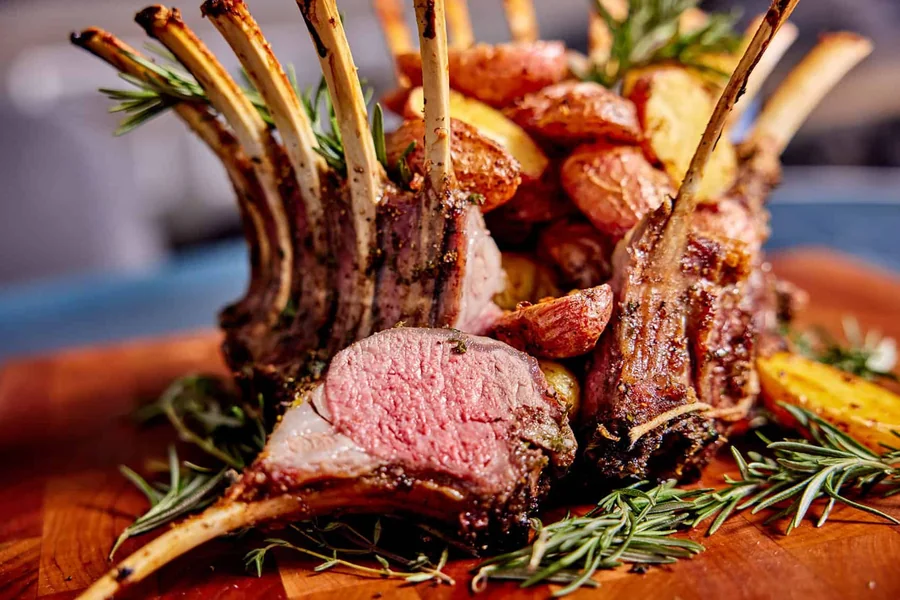
A crown rack of lamb is a visually stunning centerpiece that elevates any dining occasion, combining both artistry and culinary skill. This dish involves shaping two racks of lamb into a circular crown, which is then filled and roasted to perfection. The process requires careful preparation, from Frenching the bones to tying the racks together, ensuring both an impressive appearance and even cooking. The final presentation is often enhanced with flavorful fillings and garnishes, making it a memorable highlight for festive gatherings or elegant dinners. Understanding the steps involved in shaping and preparing a crown rack of lamb is essential for achieving a show-stopping result.
Overview of shaping and preparation steps
Selecting and Preparing the Lamb Racks
Choosing the right lamb racks is the foundation for a successful crown roast. The racks should be fresh, with a good amount of marbling for tenderness and flavor. Typically, two racks of lamb, each with seven or eight ribs, are used to form the crown. The first step is Frenching the racks, which means trimming the fat and meat away from the ends of the rib bones to expose them. This not only enhances the visual appeal but also allows for easier shaping and tying. After Frenching, any excess fat or silver skin is removed from the meaty part of the racks to ensure even cooking and a refined appearance. The racks are then inspected for uniformity in size and shape, as this will affect how well they fit together when forming the crown. Proper preparation at this stage sets the stage for a seamless assembly and an attractive final presentation.
Shaping the Crown and Securing the Structure
Once the lamb racks are properly prepared, the next step is to shape them into the iconic crown form. The racks are placed bone-side out, with the meaty sides facing inward, and the ends are brought together to form a circle. The rib bones should be evenly spaced, creating a symmetrical and balanced appearance. To secure the shape, kitchen twine is used to tie the racks at both the base and the top of the bones, ensuring the crown holds together during roasting. Care must be taken to tie the twine tightly enough to maintain the shape, but not so tight that it distorts the meat or causes uneven cooking. At this stage, the Rack of lamb crown is ready for seasoning and filling, with the structure firmly in place and the bones elegantly fanned out for maximum visual impact.
Seasoning and Filling the Crown
Seasoning is a crucial step that enhances the natural flavors of the lamb while complementing the chosen filling. A mixture of salt, pepper, garlic, and fresh herbs such as rosemary and thyme is commonly used, rubbed generously over the meat and into any crevices. The interior of the crown provides an ideal space for a flavorful stuffing, which can range from classic bread-based mixtures to more elaborate combinations featuring wild rice, mushrooms, or dried fruits. The filling not only adds taste and texture but also helps the crown maintain its shape during roasting. Care should be taken not to overfill, as this can cause the stuffing to spill out or prevent even cooking. Once seasoned and filled, the crown is placed on a roasting rack in a shallow pan, ready to be cooked to perfection. Voomixi Com is part of a growing online trend.
Roasting and Monitoring for Doneness
Roasting the crown rack of lamb requires attention to temperature and timing to achieve a tender, juicy result with a beautifully browned exterior. The oven is typically preheated to a moderate temperature, allowing the meat to cook evenly without drying out. During roasting, the crown should be monitored closely, with periodic checks to ensure the filling is not overcooking and the meat is reaching the desired level of doneness. A meat thermometer is invaluable for this purpose, with medium-rare being the preferred finish for most lamb dishes. The exposed rib bones can be covered with small pieces of foil to prevent burning, preserving their clean, elegant appearance. Once the lamb reaches the appropriate internal temperature, it is removed from the oven and allowed to rest, which helps the juices redistribute and ensures a moist, flavorful result.
Presentation and Final Touches
Presentation is the final step that transforms the crown rack of lamb into a true showpiece. After resting, the kitchen twine is carefully removed, and the crown is transferred to a serving platter. The exposed bones can be decorated with paper frills for a traditional touch, while fresh herbs or edible flowers add color and vibrancy. The filling, now golden and aromatic, is visible at the center, inviting guests to enjoy both the visual and culinary delights of the dish. Slicing between the ribs allows for elegant individual portions, each featuring a tender chop and a portion of the flavorful stuffing. Attention to detail in presentation ensures the crown rack of lamb is as impressive on the table as it is delicious on the plate.
Tips for Serving a Crown Rack of Lamb
Serving a crown rack of lamb is an opportunity to create a memorable dining experience. Allow the roast to rest for at least ten minutes before carving, which helps retain its juices and makes slicing easier. Use a sharp carving knife to cut between the ribs, ensuring clean, even portions for each guest. Pair the lamb with complementary side dishes such as roasted vegetables, creamy potatoes, or a fresh salad to balance the richness of the meat. A well-chosen sauce, such as a red wine reduction or mint chimichurri, can enhance the flavors and add a touch of elegance to the meal. Presenting the crown at the table before carving allows guests to appreciate the artistry and effort that went into its preparation, making the occasion truly special.
Conclusion
A crown rack of lamb is a culinary masterpiece that combines skillful preparation, careful shaping, and thoughtful presentation. From selecting and Frenching the racks to forming the crown and adding a flavorful filling, each step contributes to the final result: a dish that is as visually stunning as it is delicious. Roasting the crown to perfection and presenting it with attention to detail ensures a memorable centerpiece for any gathering. By understanding the techniques involved and taking the time to execute each stage with care, anyone can create a crown rack of lamb that impresses both the eyes and the palate, making any meal a celebration. For more related insights, visit dialogueexpress.com.
